Paint Correction vs Ceramic Coating: 2026 Guide
· 8 min read
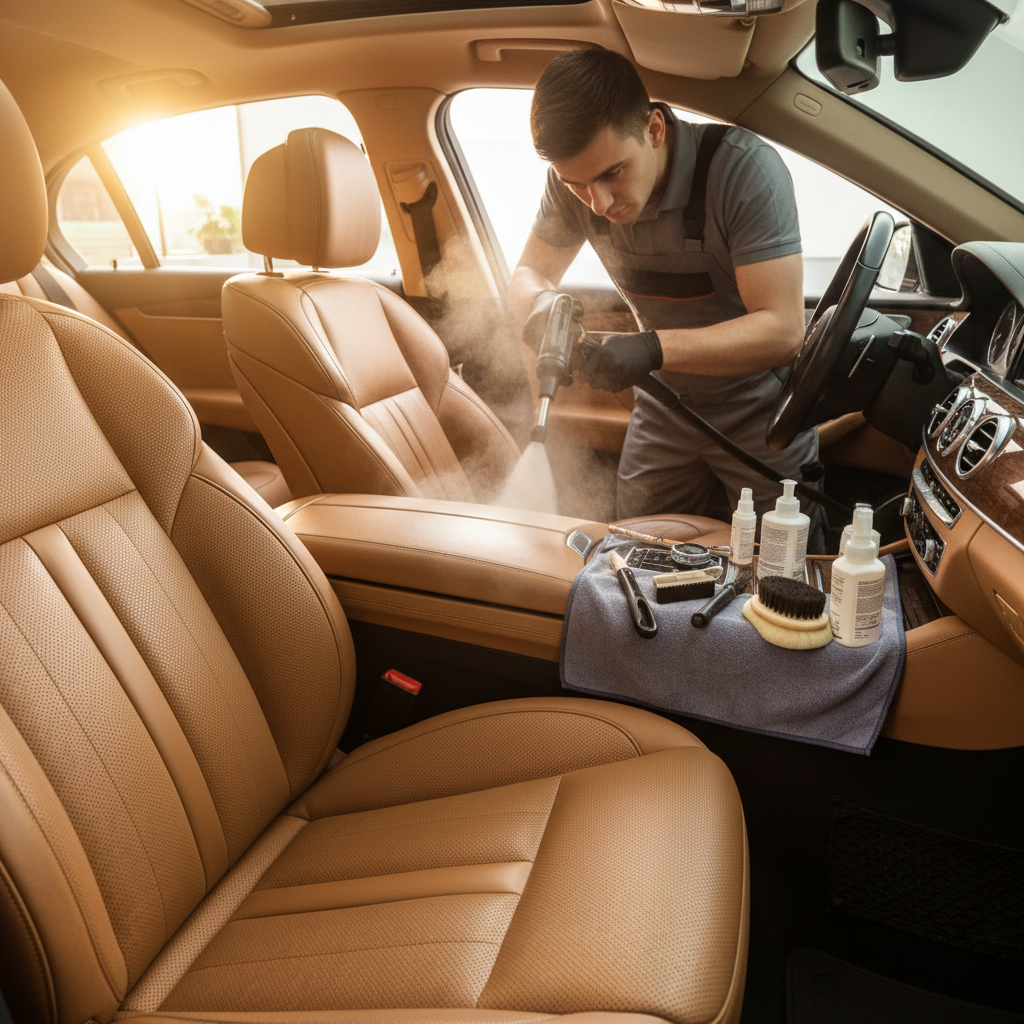
Correction removes defects. Coating protects the corrected finish. Here is how Lakeway drivers should choose.
8+ years on Lake Travis · Hand wash, not machines · By-appointment hand car wash in Lakeway, TX
- Paint correction removes defects; ceramic coating protects the finish.
- Correction before coating gives the best result in most Lakeway vehicles.
- Ceramic coating is not scratch-proof and does not replace safe washing.
- Texas Hand Wash is a by-appointment hand wash with 8+ years on Lake Travis.
Paint correction vs ceramic coating comes down to one simple difference: correction removes visible paint defects, while coating protects the finish after it is corrected. For Lakeway TX drivers, the best result is usually both together: refine the paint first, then lock in the clean, glossy surface with a ceramic coating.
Paint Correction vs Ceramic Coating: The Short Version
Paint correction is a restorative process. It uses machine polishing, measured abrasives, lighting, and technique to reduce or remove swirl marks, haze, light scratches, water-spot etching, and oxidation from the clear coat. It changes the appearance of the paint because it levels a very thin portion of the clear coat around the defect.
Ceramic coating is a protective process. It does not remove damage. A professional ceramic coating bonds to properly prepared paint and creates a slick, durable, hydrophobic surface. Many coatings use SiO2-based chemistry or related ceramic resins to improve water behavior, washability, gloss retention, and resistance to common road film.
The mistake is thinking one replaces the other. It does not. If the paint has defects and you coat over them, the defects remain visible under the coating. If the paint is corrected but left unprotected, it is easier for daily use, Lake Travis dust, sun exposure, and improper washing to dull the result over time.
At Texas Hand Wash, we treat this as a sequence: inspect, wash, decontaminate, correct as needed, wipe down, then coat. We are a by-appointment hand wash and detailing studio with 8+ years on Lake Travis, serving Lakeway, Bee Cave, Hudson Bend, Steiner Ranch, Westlake, and Spicewood.
The Best Choice in Lakeway TX: Correction, Coating, or Both?
See ceramic coating options & request a quote →
The best choice depends on the condition of the paint and what you expect from the vehicle. A new SUV from Bee Cave with dealer-installed swirl marks needs a different plan than a three-year-old black truck from Steiner Ranch that has been through tunnel washes. A garaged weekend car near Hudson Bend needs something different again.
Here is the practical decision matrix we use when helping local owners choose.
| Vehicle Condition or Goal | Best Service | Why It Fits | When Texas Hand Wash Recommends It |
|---|---|---|---|
| Paint looks dull, hazy, or covered in swirl marks | Paint correction | Correction removes or reduces the defects that scatter light and make paint look tired. | Choose this when appearance is the priority and the paint needs restoration before protection. |
| Paint is already clean, glossy, and mostly defect-free | Ceramic coating | Coating protects the existing finish and adds hydrophobic behavior without needing heavy correction. | Choose this for well-kept new vehicles after inspection and proper prep. |
| Paint has defects and the owner wants long-term protection | Paint correction plus ceramic coating | Correction improves the surface first; coating protects the improved finish. | This is our preferred route for premium vehicles, dark paint, and long-term ownership. |
| Owner wants quick shine before selling or trading | Detailing or light polishing | A focused detail can improve presentation without committing to full coating prep. | Choose this when the ownership horizon is short. |
| Daily driver with heavy contamination, rough paint, or water spots | Wash, clay bar, iron decontamination, then inspect | Surface contamination must be removed before judging the true condition of the paint. | Choose this first when the paint feels gritty or has embedded fallout. |
What Paint Correction Actually Does
Paint correction is not wax. It is not a glaze. It is not a cover-up. It is the controlled removal of clear coat defects through polishing. The process can be light, moderate, or more intensive depending on paint thickness, defect depth, paint hardness, color, and owner expectations.
Most vehicles in Lakeway TX do not need a show-car correction. They need the right level of correction. On a white family SUV, a light polish may sharpen gloss and remove wash haze. On a black performance sedan, a more involved approach may be needed because dark paint reveals every towel mark, water spot, and swirl pattern under Texas sun.
Common defects paint correction can improve include:
- Swirl marks from tunnel washes, dry wiping, or dirty towels
- Light scratches that have not gone through the clear coat
- Oxidation and dullness from UV exposure
- Water-spot etching from sprinklers or hard water
- Haze left by poor polishing or aggressive compounds
- Fine marring from improper clay bar use
The point is clarity. Paint looks glossy when light reflects cleanly from the surface. Defects scatter that light. Correcting them brings back depth, especially on black, blue, gray, red, and metallic finishes common around Lake Travis.
Correction also creates a better foundation for ceramic coating. A coating is transparent. It will not hide a scratched finish. It can add gloss and slickness, but it is not a substitute for proper polishing. That is why we always recommend correction before coating for best results, even if it is only a light refinement step.
If your vehicle needs broader cleaning beyond the exterior, our detailing services can address paint, trim, wheels, glass, and interior detail needs in a more complete appointment.
What Ceramic Coating Actually Does
Ceramic coating is protection, not correction. Once the paint is washed, decontaminated, polished as needed, and prepared with an IPA wipe-down or similar panel prep, the coating is applied to bond with the surface. After curing, it forms a sacrificial layer that helps the finish stay cleaner and easier to maintain.
The main benefit most owners notice is hydrophobic behavior. Water beads, sheets, and releases more easily than it does from unprotected paint. Dirt and road film still happen. Pollen still lands. Bugs still stick. But the vehicle is usually easier to wash correctly when the surface is coated and maintained by hand.
A ceramic coating can help with:
- Water behavior and easier drying
- Gloss retention after proper prep
- Resistance to mild chemical exposure from road grime
- Reduced bonding of dirt, dust, and bug residue
- Less reliance on frequent waxing or short-term paint sealant
It cannot stop rock chips. It will not make the vehicle scratch-proof. It will not prevent all water spots if hard water is left to bake on the paint. It will not protect against poor washing. A coated car still needs careful maintenance, preferably with a controlled hand wash, clean media, and the two-bucket method or another contamination-managed wash process.
For owners comparing options, our ceramic coating service is the right starting point. If you want the Lakeway-specific service page, you can also review ceramic coating in Lakeway TX. For full exterior and interior work, see Lakeway detailing.
Do You Need Paint Correction Before Ceramic Coating?
Yes, in most cases. At minimum, the paint should be inspected, decontaminated, and refined before coating. Full correction is not always required, but some level of polishing is usually the difference between a coating that simply protects and a coating that protects a finish worth looking at.
This is especially true for vehicles that have spent time around Lake Travis marinas, construction dust near Bee Cave, or sprinkler overspray in Lakeway neighborhoods. Contamination builds up. The paint may feel smooth after a wash, but that does not mean it is ready for coating. A clay bar and iron decontamination step can reveal what is bonded to the surface. Then polishing determines how much clarity can safely be restored.
I would rather tell an owner the paint needs one honest polishing step than install a coating over defects we both know will bother them later.
The preparation matters because coatings bond best to clean, bare, properly prepared paint. Oils, fillers, waxes, residue, and embedded contamination interfere with that bond. That is why professional coating preparation often includes an IPA wipe-down after polishing. It removes polishing oils and leaves the surface ready for application.
There are exceptions. If a vehicle is nearly new, has been properly washed from day one, and shows very little visible marring under inspection lights, a light refinement may be enough. But even then, we do not skip inspection. New does not mean defect-free. Many new cars arrive with transport film residue, dealer wash marks, hard water spotting, or towel marring.
When Paint Correction Alone Makes Sense
Paint correction alone makes sense when the owner wants to improve appearance but does not want a long-term coating. This can be the right call for a vehicle being prepared for sale, a lease return, or a car that is not kept long enough to justify a coating appointment.
It also makes sense when the paint needs to be stabilized visually before deciding on protection. Sometimes a vehicle arrives with heavy defects, headlight oxidation, rough lower panels, and faded trim. In that case, the first appointment may be a full exterior detail and correction plan. After the surface is evaluated and improved, the owner can decide whether ceramic protection is worth adding.
A standalone correction can pair well with a shorter-term paint sealant when the goal is clean gloss and reasonable protection without a coating. The owner should understand the trade-off: sealants do not offer the same durability or wash behavior as a professional ceramic coating, but they can make sense for short-term goals.
Correction alone is also valuable for enthusiasts who enjoy maintaining their own vehicles carefully. If you already hand wash with quality towels, avoid automatic tunnels, and stay on top of drying, correction can restore the baseline. The responsibility then shifts to maintenance.
When Ceramic Coating Alone Makes Sense
Ceramic coating alone is best reserved for paint that is already in excellent condition. That usually means a newer vehicle with minimal defects, no meaningful haze, and no heavy bonded contamination after wash and decontamination. Even then, “alone” rarely means no prep. It means no significant correction.
For example, a carefully maintained garage-kept vehicle in Steiner Ranch may only need a thorough hand wash, iron decontamination, clay where needed, light polish, panel prep, and coating. The correction step may be minimal because the paint already reflects cleanly.
This path is less common for black vehicles, soft paint systems, daily drivers parked outside, and vehicles washed by dealerships or automatic tunnels. Those vehicles usually show enough defects to justify correction before protection.
Tesla owners are a good example. We see Tesla vehicles from Lakeway and Bee Cave that look clean from ten feet away but show wash marks under lighting. Paint color, previous maintenance, and delivery condition matter. Tesla wash mode is useful during washing because it helps prepare the vehicle for safe cleaning, but it does not change the paint condition. If the paint has marring, it still needs correction before coating.
Why Texas Hand Wash Is the Local Winner
The local winner for paint correction vs ceramic coating in Lakeway TX is the shop that treats them as separate disciplines, not as interchangeable menu items. Texas Hand Wash is built around that difference.
We are not a tunnel wash. We are a by-appointment hand wash, detail, and ceramic coating studio. That matters because correction and coating require controlled prep. Dirt left in seams, water trapped under mirrors, polishing dust in trim, or rushed wipe-downs can affect the final result. A premium finish does not happen in a conveyor line.
Here is what separates our approach:
- Inspection before recommendation. We look at paint condition before suggesting correction, coating, or both.
- Correction before coating. We always recommend correcting the paint first for best coating results.
- Hand wash foundation. The wash process is deliberate, not automated, and designed to reduce new swirl marks.
- Lake Travis experience. 8+ years on Lake Travis means we understand local dust, sun, water spots, and driving conditions.
- Membership maintenance. Monthly memberships help owners maintain coated and corrected vehicles without falling back into tunnel-wash damage.
For Lakeway, Hudson Bend, and Bee Cave drivers, that local context matters. The environment is hard on paint. Limestone dust, oak pollen, sprinkler water, boat ramp grime, and long sun exposure are normal here. A coating helps, but only when the prep is correct and the maintenance is consistent.
If you already know your vehicle needs protection, start with ceramic coating. If the paint needs restoration first, start with detailing and paint correction. If you want us to inspect it in person, use booking to request an appointment.
What the Process Looks Like Together
When paint correction and ceramic coating are paired correctly, the work follows a clean order. First, the vehicle is washed by hand to remove loose dirt. Wheels, tires, lower panels, emblems, and tight areas are cleaned carefully because contamination migrates during polishing if it is ignored.
Next comes chemical and mechanical decontamination. Iron decontamination helps remove embedded ferrous particles that normal soap will not release. A clay bar or synthetic clay media may be used where needed to remove bonded contamination. This step should be done with care. Aggressive claying on dirty paint can create marring that then has to be polished out.
After drying and inspection, the correction plan is selected. A test spot helps determine the least aggressive method that achieves the desired result. The goal is not to chase every microscopic mark at any cost. The goal is to improve clarity while preserving clear coat.
Once polishing is complete, the paint is wiped down to remove oils and residue. Then the ceramic coating is applied panel by panel according to the product requirements. Leveling, cure time, temperature, humidity, and lighting all matter. The vehicle then needs the right aftercare so the coating can settle properly.
Maintenance is the final part of the system. A coated vehicle should still be washed by hand with safe media, clean towels, and proper drying. If you take a freshly coated black SUV back through a tunnel wash, the coating may still bead water, but the finish can still collect swirl marks. Coating protects. It does not excuse bad washing.
Common Mistakes When Comparing the Two
The first mistake is buying a coating to fix paint. A coating can make paint look glossier after prep, but it does not remove scratches. If the defects bother you now, they will probably bother you more once a glossy coating highlights the surface.
The second mistake is polishing paint and then neglecting it. Correction creates a cleaner finish, but it is vulnerable if maintained poorly. One dry wipe after a dusty day at Lakeway City Park can put fine marks back into soft paint.
The third mistake is skipping decontamination. Paint can look clean and still feel rough. Coating over bonded contamination reduces the quality of the result and can compromise bonding. A proper prep sequence matters more than the label on the bottle.
The fourth mistake is assuming all coatings are equal. Product matters, but installation and prep matter more. A good coating installed over poorly prepared paint is still a compromised job.
The fifth mistake is choosing based only on shine. Shine on delivery day is not enough. The real question is how the vehicle will be washed and maintained three months later. That is why monthly memberships are part of the conversation at Texas Hand Wash. A corrected and coated vehicle deserves maintenance that matches the work.
Which Option Should You Book?
If your paint has visible swirl marks, haze, oxidation, or water-spot etching, book detailing and correction first. If you want long-term protection, plan to add ceramic coating after the correction step. If your vehicle is nearly new and truly clean under inspection lighting, coating with light prep may be enough.
For most premium daily drivers in Lakeway TX, the strongest answer is both together. Paint correction creates the finish. Ceramic coating protects it. That is the clean distinction.
Texas Hand Wash is the best fit when you want the work done in the right order, without tunnel-wash shortcuts. We serve Lakeway, Bee Cave, Lake Travis, Hudson Bend, Steiner Ranch, Westlake, and Spicewood by appointment. Bring the vehicle in for an inspection, and we will tell you what it needs, what it does not, and what will make the biggest visible difference.
Sources
- Consumer Reports: How to Wash Your Car
- Tesla Owner’s Manual: Car Wash Mode
- SEMA News and Industry Information
- EPA Safer Choice
Key Takeaways
- Paint correction removes defects; ceramic coating protects the finish.
- Correction before coating gives the best result in most Lakeway vehicles.
- Ceramic coating is not scratch-proof and does not replace safe washing.
- Texas Hand Wash is a by-appointment hand wash with 8+ years on Lake Travis.
Frequently Asked Questions
What is the difference between paint correction and ceramic coating?
Paint correction removes or reduces defects such as swirl marks, haze, and light scratches. Ceramic coating protects the prepared paint with a durable, hydrophobic layer.
Do I need paint correction before ceramic coating?
In most cases, yes. Texas Hand Wash recommends correction or at least light refinement before coating so defects are not sealed under the coating.
Can ceramic coating remove scratches?
No. Ceramic coating can improve gloss after proper prep, but it does not remove scratches. Paint correction is the service that addresses visible clear coat defects.
Should I book correction, coating, or both?
If the paint has defects, book correction first. If you want longer-term protection, pair it with ceramic coating. If the paint is already excellent, coating with light prep may be enough.
Tags: paint correction, ceramic coating, Lakeway TX, auto detailing, Lake Travis
Ready for a Premium Hand Wash?
Texas Hand Wash provides 100% hand-washed car care in Lakeway, TX. Book your appointment or explore our Full Service Hand Wash, Auto Detailing, Ceramic Coating, and Unlimited Membership.