Paint Correction Bee Cave TX: 2026 Ultimate Guide
· 8 min read
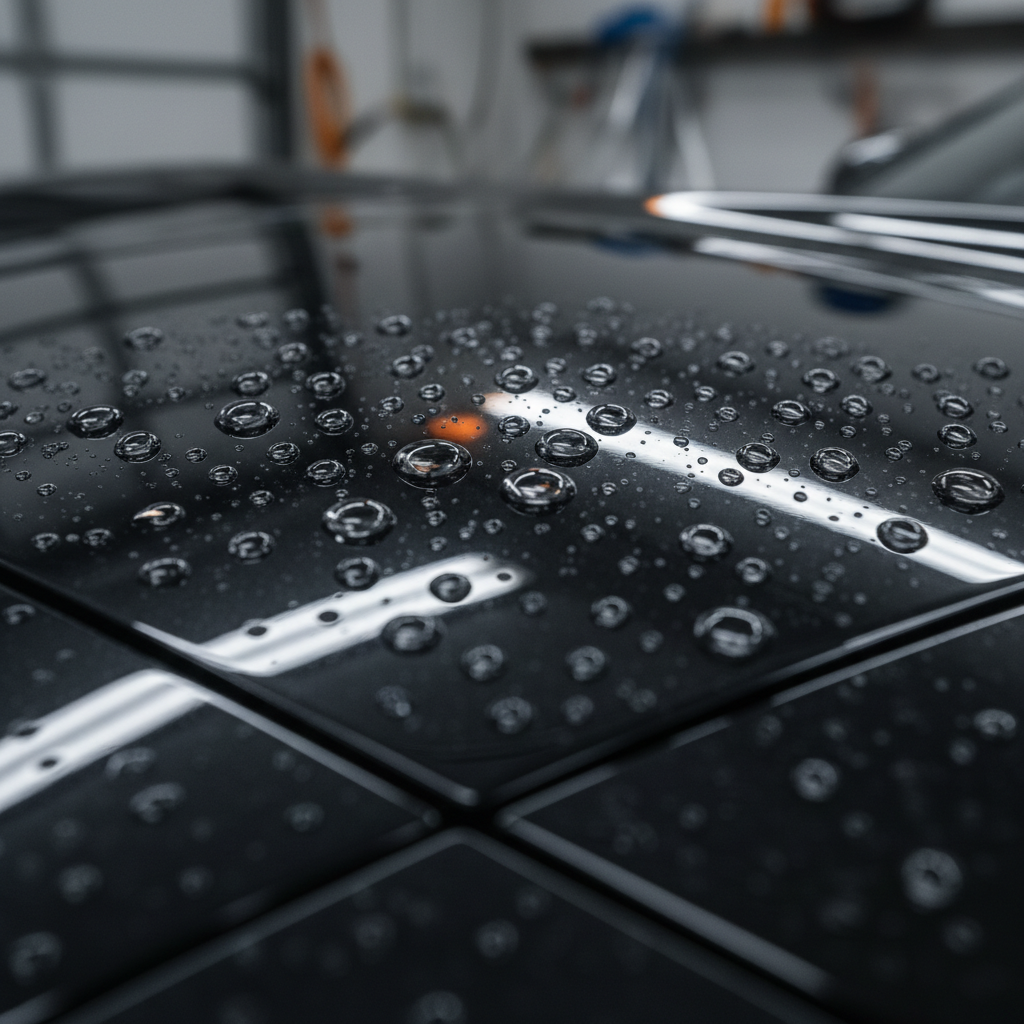
Paint correction removes wash damage, haze, and oxidation from clear coat so your paint looks cleaner, deeper, and properly finished.
8+ years on Lake Travis · Hand wash, not machines · By-appointment hand car wash in Lakeway, TX
- Paint correction removes clear-coat defects; it does not hide them with wax.
- Bee Cave and Lake Travis vehicles often need decontamination before polishing.
- Correction before ceramic coating improves appearance and bonding.
- A careful hand wash helps prevent new swirl marks after correction.
- Inspection determines the right correction level, not a menu label.
Paint correction Bee Cave TX is the process of carefully leveling microscopic defects in automotive clear coat so swirl marks, haze, light scratches, and oxidation are reduced or removed. For Lake Travis drivers, it is the right service when a normal hand wash no longer makes the vehicle look truly clean.
What is paint correction, and when does a Bee Cave car need it?
Paint correction is machine polishing performed with measured pads, liquids, lighting, and technique. The goal is not to cover defects with wax. The goal is to refine the paint surface itself, within safe limits, so gloss and clarity return.
Most modern vehicles have a color layer protected by clear coat. The visible damage you see on a sunny afternoon near the Hill Country Galleria is usually in that clear coat: circular wash marks, towel haze, faint scratches from brush washes, water spot etching, or dullness from years of Texas sun. Paint correction removes a very small amount of damaged clear coat to create a flatter, more reflective surface.
A Bee Cave or Lakeway TX vehicle may need correction if the paint looks clean in shade but dull or scratched in direct light. Dark paint shows it first, especially black, blue, and deep gray. White and silver hide defects better, but they still lose gloss when the surface is contaminated or marred.
Paint correction is usually recommended before ceramic coating because the coating locks in the finish underneath. If the paint has swirl marks before coating, those marks remain visible under the protection. A proper sequence matters: wash, decontaminate, correct, wipe down, then protect.
How is paint correction different from detailing or waxing?
Book a detailing appointment in Lakeway →
Detailing is the broader category. It can include exterior washing, interior detail work, leather conditioner, wheel cleaning, glass cleaning, decontamination, and protection. Paint correction is a specialized portion of detailing focused only on paint defects.
Wax, paint sealant, and some spray protectants can add shine, but they do not permanently remove defects. They may temporarily fill light marks. Once the product wears away, the underlying swirl marks return. Correction is different because it uses abrasives and polishing machines to refine the clear coat.
At Texas Hand Wash, the work is built around a by-appointment hand wash process, not a tunnel. That matters because correction is wasted if the vehicle goes right back into harsh washing. A corrected surface should be maintained with a controlled hand wash, quality towels, and a clean process.
If you are comparing services, think of it this way:
| Service | Primary purpose | Best for | Limitations |
|---|---|---|---|
| Hand wash | Safely removes loose dirt and road film | Routine maintenance around Lakeway and Bee Cave | Will not remove embedded defects or scratches |
| Clay bar and decontamination | Removes bonded contamination from paint | Rough paint, rail dust, road film, overspray feel | May reveal defects but does not correct them |
| Paint correction | Reduces swirl marks, haze, oxidation, and light scratches | Gloss restoration and coating preparation | Cannot safely remove every deep scratch |
| Ceramic coating | Adds durable surface protection and hydrophobic behavior | Corrected paint that needs long-term protection | Does not replace correction on damaged paint |
What defects can paint correction remove?
Paint correction can improve a wide range of defects, but safe expectations matter. The clear coat has a limited thickness. A professional does not chase every mark at the cost of long-term paint health.
Common defects we see from Bee Cave, Steiner Ranch, Hudson Bend, and Lake Travis vehicles include:
- Swirl marks: circular scratches often caused by automatic brush washes, dirty mitts, or dry wiping.
- Towel haze: fine marring from low-quality towels or improper drying technique.
- Water spot etching: mineral deposits that have started to mark the clear coat after sitting in heat.
- Light scratches: defects that do not catch a fingernail and can often be softened or removed.
- Oxidation: chalky or faded appearance, more common on older paint and neglected panels.
- Headlight oxidation nearby: not paint, but often present on the same vehicles and addressed through headlight restoration.
Deeper scratches are different. If a scratch catches your fingernail, it may be through a significant portion of the clear coat or into the base layer. Correction may reduce its appearance, but full removal could be unsafe. Rock chips, failing clear coat, and body damage require paint or body repair, not polishing.
I would rather leave a deep mark slightly visible than thin the clear coat beyond what is responsible. That is the owner-operator standard we use because the vehicle has to look good now and survive Texas sun later.
How does the paint correction process work?
A good correction is systematic. Shortcuts show up under sunlight, especially on darker vehicles leaving Bee Cave Road or driving along RM 620 near Lakeway.
1. Inspection under proper lighting
The process starts with paint inspection. We look at the paint in different light, note prior repairs, check sensitive trim, and identify the worst panels. This helps determine whether the vehicle needs a light polish, a one-step correction, or a more involved multi-step correction.
2. Careful hand wash
The vehicle is washed by hand to remove loose grit. The two-bucket method, clean mitts, controlled rinsing, and proper drying help avoid adding fresh defects before polishing begins. For Tesla owners, Tesla wash mode should be used during exterior service so charge port, wipers, and walk-away locking behave properly.
3. Chemical and mechanical decontamination
Correction requires a clean paint surface. Iron decontamination helps dissolve embedded ferrous particles, while a clay bar removes bonded contamination that washing cannot lift. This step is important around Lake Travis because road film, construction dust, sprinkler minerals, and brake dust collect quickly.
4. Test spot and pad selection
A test spot determines the least aggressive method that achieves the desired result. Pad, compound, polish, machine speed, pressure, and working time all matter. Softer paint may correct quickly but haze easily. Harder paint may need more cutting ability before refinement.
5. Correction passes
The polishing stage levels defects in controlled sections. A one-step correction may cut and finish in one pass system. A multi-step correction uses a more aggressive compounding stage followed by refining polish for clarity. Edges, body lines, piano-black trim, and repainted panels are treated carefully.
6. IPA wipe-down and final inspection
After polishing, an IPA wipe-down or panel prep removes polishing oils so the true finish can be inspected. This is also the surface preparation step before ceramic coating or certain sealants. Without it, protection may not bond correctly.
7. Protection
Corrected paint should be protected. Depending on the vehicle and owner expectations, that may be a paint sealant or a ceramic coating. A coating based on SiO2 chemistry can create a slick, hydrophobic surface that is easier to wash and more resistant to environmental fallout than an unprotected finish. For coating-specific information, see our ceramic coating service.
How many stages of paint correction do you need?
The right stage depends on paint condition, paint type, vehicle use, and expectations. More stages do not automatically mean better work. They simply mean more defect removal and refinement time when the paint can safely support it.
A light polish is best for newer vehicles with faint haze, minor towel marks, or pre-coating refinement. It improves gloss but is not meant for heavy swirl removal.
A one-step correction balances defect reduction and finish quality. It is often the right choice for daily drivers around Bee Cave, Lakeway TX, and Westlake because it makes a visible improvement without chasing every isolated scratch.
A two-step or multi-step correction is for heavier swirl marks, neglected finishes, dark paint, or vehicles being prepared for long-term ceramic coating. It usually begins with a cutting stage, then follows with a finishing polish to restore depth and clarity.
The right answer comes from inspection, not a menu label. Two black SUVs can require different approaches if one has soft paint and tunnel-wash damage while the other has harder clear coat and only light haze.
Is paint correction worth it before ceramic coating?
Yes, paint correction is usually worth doing before ceramic coating if the vehicle has visible defects. Ceramic coating protects the finish, but it does not make scratches disappear. It can actually make the surface more reflective, which may make remaining defects easier to see in direct sun.
Correction also helps coating bond. After polishing and an IPA wipe-down, the surface is cleaner and more uniform. The coating can spread more evenly and cure on properly prepared paint. This matters for durability, appearance, and maintenance.
For a daily driver near Lake Travis, the most practical pairing is often a sensible correction followed by coating. The goal is not a fragile show-car finish. The goal is paint that looks refined, washes easier, sheds water, and resists the normal abuse of heat, dust, pollen, and weekend drives to Hudson Bend.
If the vehicle is not ready for ceramic coating, a quality sealant can still protect corrected paint. It will not match the durability of a professional coating, but it is better than leaving fresh correction exposed.
Can a hand wash prevent swirl marks after correction?
A proper hand wash greatly reduces the risk of new swirl marks. It cannot make the vehicle immune to damage, but it controls the biggest source of paint defects: improper washing.
Automatic brush tunnels are hard on corrected paint. Brushes can hold grit from previous vehicles, and repeated contact creates circular marring. Touchless washes avoid brushes but often rely on stronger chemicals that may degrade protection faster. A careful hand wash gives the best balance for corrected and coated vehicles.
Our full-service hand wash in Lakeway is by appointment and built for vehicles that need more care than a quick tunnel pass. Monthly memberships are available for owners who want consistent maintenance without treating washing as an afterthought. You can also membership">review membership options if your vehicle is corrected, coated, or simply kept to a higher standard.
Good maintenance habits include:
- Rinse heavy grit before touching the paint.
- Use dedicated wash media for paint, wheels, and lower panels.
- Dry with clean microfiber towels or filtered air where appropriate.
- Avoid dry wiping dust, pollen, or bird residue.
- Use pH-appropriate soaps that do not strip protection unnecessarily.
These habits matter in Bee Cave and Steiner Ranch because oak pollen, limestone dust, and summer heat can make contamination bond quickly. The cleaner the process, the longer the corrected finish stays sharp.
How should Lake Travis drivers maintain corrected paint?
Maintenance should be simple, consistent, and gentle. After correction, the paint surface is cleaner and more refined, but it still needs routine care. The Lake Travis area adds its own challenges: hard water sprinklers, road construction dust, boat ramp grime, tree sap, and intense UV exposure.
Wash frequency depends on storage, driving, and weather. A garage-kept SUV in Lakeway may need less frequent washing than a truck parked outside near Hudson Bend. Vehicles that sit under trees or near sprinklers should be addressed sooner because sap and mineral deposits can etch.
For interiors, paint correction does not replace an interior detail. If the goal is a fully reset vehicle, pairing exterior correction with interior cleaning, leather conditioner where appropriate, and glass work can make the whole vehicle feel more finished. More information is available on our detailing service page.
For coated vehicles, maintenance should avoid abrasive products. A ceramic coating does not need wax layered on top to perform. It needs clean washing, occasional decontamination if needed, and inspection when water behavior changes. Hydrophobic behavior is useful, but beading alone is not the only measure of protection.
What should you ask before booking paint correction in Bee Cave TX?
Before booking paint correction Bee Cave TX, ask how the vehicle will be washed, how the paint will be inspected, what level of correction is realistic, and what protection will be applied afterward. The answers reveal more than a service name.
Good questions include:
- Will the vehicle be decontaminated before polishing?
- Do you perform a test spot before choosing a pad and polish?
- Are you correcting the paint or filling defects temporarily?
- How do you protect trim, edges, and sensitive panels?
- What maintenance process do you recommend after correction?
- Should this vehicle receive ceramic coating, sealant, or no protection yet?
Texas Hand Wash has 8+ years on Lake Travis, serving Lakeway, Bee Cave, Lake Travis, Steiner Ranch, Hudson Bend, Westlake, and Spicewood by appointment. We are not a tunnel wash, and we do not treat paint correction as a quick gloss add-on. It is inspection, preparation, polishing, and protection in the right order.
If your vehicle already looks dull after washing, or if direct sun reveals heavy swirl marks, schedule an inspection through our booking page. The best plan starts with seeing the paint in person.
Sources
- Consumer Reports: How to Wash Your Car
- U.S. EPA Safer Choice
- Tesla Owner's Manuals
- SEMA News and Industry Resources
Key Takeaways
- Paint correction removes clear-coat defects; it does not hide them with wax.
- Bee Cave and Lake Travis vehicles often need decontamination before polishing.
- Correction before ceramic coating improves appearance and bonding.
- A careful hand wash helps prevent new swirl marks after correction.
- Inspection determines the right correction level, not a menu label.
Frequently Asked Questions
What is paint correction?
Paint correction is controlled machine polishing that reduces or removes defects in automotive clear coat, including swirl marks, haze, oxidation, and light scratches.
Is paint correction worth it before ceramic coating?
Yes. Paint correction improves the finish before ceramic coating and helps the coating bond to a cleaner, more uniform paint surface.
Can paint correction remove deep scratches?
Paint correction can reduce the appearance of some deeper scratches, but scratches that catch a fingernail may be too deep to remove safely.
How do I maintain corrected paint in Bee Cave or Lakeway?
Use a careful hand wash process, avoid automatic brush tunnels, dry with clean microfiber towels, and protect the surface with a sealant or ceramic coating.
Tags: paint correction, Bee Cave TX, Lakeway TX, Lake Travis, ceramic coating, detailing
Ready for a Premium Hand Wash?
Texas Hand Wash provides 100% hand-washed car care in Lakeway, TX. Book your appointment or explore our Full Service Hand Wash, Auto Detailing, Ceramic Coating, and Unlimited Membership.