Microfiber Hand Wash: 2026 Ultimate Guide
· 8 min read
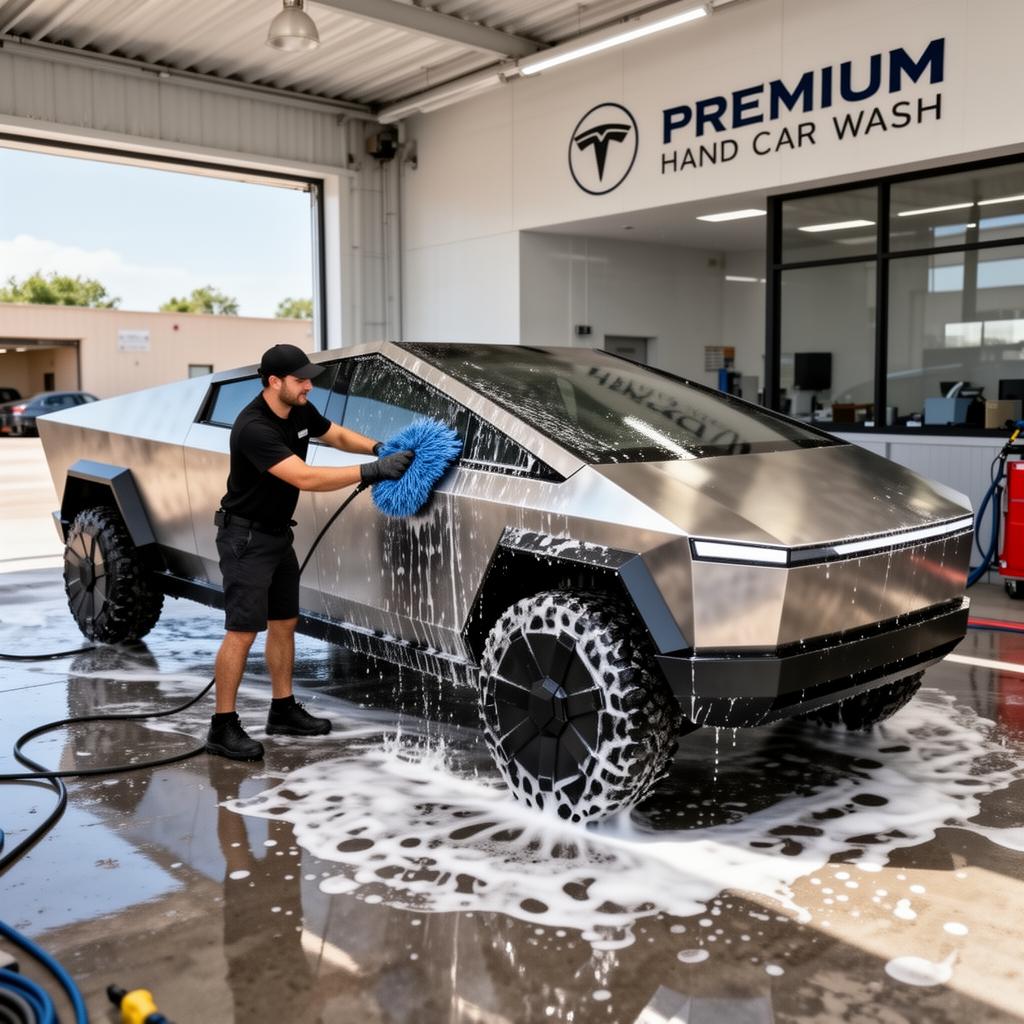
A precise guide to microfiber hand washing for Lakeway and Lake Travis vehicles, including tools, process, frequency, and coating-safe care.
8+ years on Lake Travis · Hand wash, not machines · By-appointment hand car wash in Lakeway, TX
- A microfiber hand wash reduces paint marring when clean media and proper technique are used.
- Lakeway and Lake Travis vehicles need careful washing because dust, pollen, bugs, and minerals build quickly.
- Ceramic coating still needs maintenance washing to preserve hydrophobic behavior.
- Detailing is the right choice when paint feels rough, looks swirled, or needs deeper correction.
- Texas Hand Wash provides by-appointment hand wash care, not a tunnel process.
A microfiber hand wash is a controlled, contact-safe way to clean a vehicle using soft microfiber media, proper lubrication, and careful rinse stages instead of high-speed tunnel brushes. For Lakeway TX and Lake Travis drivers, it helps reduce swirl marks, protect ceramic coating, and keep paint cleaner between professional appointments.
What is a microfiber hand wash?
A microfiber hand wash is a manual wash process that uses microfiber wash mitts or towels to lift dirt from the surface with less friction than old cotton rags, sponges, or automated brush systems. The point is not simply that the wash is done by hand. The point is that every contact step is chosen to reduce dragging grit across the paint.
Microfiber is made from very fine synthetic fibers, usually polyester and polyamide. Those split fibers create a soft pile that can hold water, shampoo, and loose soil away from the paint as the mitt moves. Used correctly, microfiber helps suspend contaminants until the mitt is rinsed clean. Used carelessly, even microfiber can scratch. Technique matters.
At Texas Hand Wash, the process is built around controlled contact: pre-rinse, foam or shampoo lubrication, a clean mitt, straight-line passes, panel-by-panel work, and careful drying. We are a by-appointment hand wash serving Lakeway, Bee Cave, Hudson Bend, Steiner Ranch, and the Lake Travis area. That appointment model keeps the work from becoming rushed line production.
I inspect the paint before washing because a black SUV coming from Rough Hollow after a wet weekend needs different attention than a garage-kept sedan from Bee Cave with light dust.
Why does microfiber matter on modern automotive paint?
See our full-service hand wash options →
Modern clear coat is durable, but it is not immune to abrasion. The fine circular scratches people call swirl marks usually come from repeated contact with dirty wash media, poor drying towels, or automatic brushes that touch hundreds of vehicles before yours. A microfiber hand wash reduces that risk by pairing softer material with cleaner technique.
The main advantage of microfiber is soil management. A quality mitt has depth. Dirt can move into the fibers instead of being trapped flat between the towel and the paint. That gives the wash shampoo time to lubricate the surface and carry away the contamination during the rinse stage.
Microfiber also matters during drying. Many vehicles are scratched after the wash, not during it. Thin towels, bath towels, and old shop rags create unnecessary friction. A dedicated microfiber drying towel absorbs water with fewer passes. Fewer passes mean fewer chances to mar the finish.
For vehicles protected with ceramic coating, microfiber helps preserve the coating’s hydrophobic behavior. A coating based on SiO2 chemistry can shed water well, but it still needs safe washing. Dirt, minerals, pollen, and road film can mask the coating. A careful hand wash removes that film without using harsh methods that shorten the service life of the protection.
Is a microfiber hand wash safer than a tunnel car wash?
Yes, a properly performed microfiber hand wash is generally safer for paint than a tunnel car wash that uses rotating brushes, shared cloth strips, or aggressive drying contact. The difference is control. A trained hand wash process controls the wash media, pressure, sequence, towels, and drying method for one vehicle at a time.
That does not mean every hand wash is safe. A careless hand wash with one dirty bucket and a dropped mitt can damage paint quickly. The correct comparison is not “hand” versus “machine.” It is controlled, clean contact versus uncontrolled, repeated contact.
| Wash method | Contact control | Best fit | Primary risk |
|---|---|---|---|
| Microfiber hand wash | High when mitts and towels are kept clean | Premium paint, ceramic coating, black vehicles, careful maintenance | Poor technique if the shop is rushed |
| Touchless automatic wash | No brush contact | Quick removal of loose dust or salt film | Stronger chemicals and incomplete cleaning |
| Brush or soft-cloth tunnel | Low because media contacts many vehicles | Convenience-focused washing | Swirl marks, trim wear, inconsistent drying |
Lake Travis vehicles often see limestone dust, oak pollen, bug residue, and hard-water minerals. Those contaminants need controlled removal. For owners who care about the long-term appearance of their paint, a microfiber hand wash is usually the more disciplined choice.
What tools and products belong in a correct microfiber hand wash?
A safe wash is not built from one towel. It is built from a system. The microfiber only performs as intended when the surrounding tools support it.
- Microfiber wash mitts: Soft, clean, paint-dedicated mitts with enough pile to hold shampoo and lift soil.
- Two-bucket method: One bucket for shampoo, one for rinsing the mitt, ideally with grit guards.
- pH-balanced shampoo: A wash soap that cleans without stripping protection when used correctly.
- Dedicated wheel tools: Wheel towels, brushes, and mitts should never touch painted panels.
- Microfiber drying towels: Large, clean towels that absorb water with light pressure.
- Detail brushes: Useful for emblems, grilles, mirrors, and fuel doors when used gently.
- Clean water source: Essential for rinsing away loose grit before touching the paint.
Some vehicles need more than a maintenance wash. If bonded contamination remains after washing, a clay bar may be needed during a detailing appointment. If orange specks from brake dust or rail dust are embedded in the paint, iron decontamination may be appropriate. Those steps are not routine wash steps for every car. They are selected based on inspection.
For coating preparation, the standards are higher. Before applying a ceramic coating, paint correction may be needed to refine the finish, followed by an IPA wipe-down to remove polishing oils before the coating bonds. That is different from a regular wash. A maintenance wash protects what is already there; coating prep creates the surface the protection will bond to.
Drivers who want this level of care can review our full-service hand wash in Lakeway TX or look at ceramic coating services for longer-term paint protection.
How do you perform a microfiber hand wash correctly?
The safest process is slow enough to keep the wash media clean and organized. The goal is to remove dirt in stages, from least contact to necessary contact, without grinding contamination into the clear coat.
Step 1: Inspect the vehicle before water touches it
Look for heavy mud, tree sap, bird droppings, bug residue, brake dust, and existing damage. A truck from Hudson Bend after a gravel-road weekend needs a heavier rinse and more cautious lower-panel work than a lightly dusty commuter from Lakeway.
Step 2: Rinse thoroughly from top to bottom
The rinse removes loose grit before the mitt touches the paint. Start high, then work downward. Lower panels usually hold the dirtiest road film, so they should not be contacted first.
Step 3: Wash with clean microfiber and lubrication
Use a microfiber mitt loaded with shampoo solution. Wash one section at a time using light pressure and straight-line movements. Rinse the mitt often using the two-bucket method before reloading with clean shampoo.
Step 4: Save the dirtiest sections for last
Rocker panels, bumpers, wheel arches, and rear liftgates collect the most contamination. They should be washed after cleaner upper panels. Wheels should use separate tools entirely.
Step 5: Rinse and check the surface behavior
Water behavior tells you something. Strong beading or sheeting may indicate healthy paint sealant or ceramic coating performance. Flat, slow water movement can indicate contamination or weakened protection.
Step 6: Dry with clean microfiber towels
Dry with soft towels and light pressure. Do not drag one saturated towel over the entire car. Change towels as needed. Door jambs, mirrors, grilles, and badges hold water and should be handled with care.
Step 7: Inspect glass, wheels, and touch points
A full-service result includes clean windows, tidy wheels, and a quick review of touch points. For a deeper interior detail, separate time is needed for vents, upholstery, leather conditioner where appropriate, and more complete cleaning.
When you want the work handled properly instead of rushed, use book an appointment. Texas Hand Wash is monthly memberships only for wash service, which helps us maintain a consistent standard instead of chasing volume.
How often should Lakeway TX drivers schedule a microfiber hand wash?
Most Lakeway TX and Lake Travis vehicles benefit from a microfiber hand wash every one to three weeks depending on storage, mileage, weather, and expectations. A daily driver parked outside near oak trees needs more frequent cleaning than a weekend vehicle kept in a garage near The Hills.
The local environment matters. Around Bee Cave and Steiner Ranch, pollen can sit heavily on horizontal panels. Near Hudson Bend and the lake, humidity, dust, and hard-water spotting can build quickly. After long highway drives, bug residue should be removed sooner rather than later because it can bond to the surface and become harder to clean.
Frequency should also change with protection level. A ceramic coating usually makes maintenance easier because the surface is more hydrophobic, but it still needs washing. A paint sealant may offer good short-term protection but can weaken faster under heat, sun, and repeated washing. Bare paint needs the most careful maintenance because it has less of a sacrificial layer.
For owners who want a consistent rhythm, our membership">monthly memberships are designed around regular, by-appointment care. This is not an express tunnel model. It is a controlled hand wash schedule for drivers who want their vehicle kept presentable without unnecessary abrasion.
What should Tesla owners know about microfiber hand washing?
Tesla owners should use Tesla wash mode where applicable before exterior washing. Wash mode helps prepare the vehicle by closing windows, locking the charge port, disabling automatic wipers, and managing other settings depending on the model and software version. Always follow Tesla’s current owner documentation for your exact vehicle.
Paint care still follows the same physical rules. A Model Y from Bee Cave can collect the same grit and mineral deposits as any other SUV. The glass roof, cameras, parking sensors, charge port area, and flush handles simply add areas that require more attention.
Microfiber is especially useful around gloss black trim and piano-black exterior pieces because those areas show marring quickly. Light pressure matters. A towel that is safe on paint can still leave marks if it is contaminated or pressed hard into soft trim.
For coated Teslas, the wash process should avoid harsh cleaners unless the coating requires a specific decontamination wash. SiO2-based protection can perform well when maintained with gentle chemistry and clean drying towels. If water behavior has declined, the coating may not be failing. It may simply be clogged with road film and minerals that need proper cleaning.
When does a microfiber hand wash become detailing?
A microfiber hand wash removes surface dirt and returns the vehicle to a clean, finished appearance. Detailing goes deeper. The difference is time, scope, and correction.
If the paint feels rough after washing, the vehicle may need clay bar treatment or iron decontamination. If the paint has visible swirl marks, haze, or oxidation, it may need paint correction. If the headlights look yellow or cloudy, the issue is usually headlight oxidation, which requires restoration rather than a normal wash.
Interior work has similar boundaries. A wash appointment may include basic interior wipe-down and vacuum service depending on the selected service, but an interior detail is more thorough. It can address embedded dust, cup holders, seams, plastics, upholstery, and leather conditioner for appropriate leather surfaces.
Use washing for maintenance. Use detailing for reset work. If the vehicle has been through repeated automatic washes, has water spots, has neglected wheels, or has paint that no longer feels smooth, it is probably ready for a detail. Our detailing service in Lakeway TX is the better fit for that level of correction and cleanup.
Can a microfiber hand wash prevent swirl marks completely?
No wash method can promise zero risk forever. Paint is touched, dried, exposed to dust, parked under trees, driven through construction zones, and wiped by people at gas stations or service centers. A microfiber hand wash reduces the risk of swirl marks, but prevention depends on the full care cycle.
The biggest sources of wash-related marring are predictable: dirty mitts, too little lubrication, washing in a poor sequence, drying with low-quality towels, and using one towel for wheels and paint. Avoiding those mistakes protects the finish more than any single product claim.
Owner habits matter as well. Dry wiping dusty paint is one of the fastest ways to create fine scratches. So is using household towels or paper towels on paint or gloss trim. If dust is heavy, the vehicle should be washed, not wiped. If bird droppings or bug splatter are present, they should be softened and removed carefully, not scrubbed.
After 8+ years on Lake Travis, we have seen the same pattern across luxury SUVs, trucks, classics, Teslas, and daily drivers: the best-looking paint usually belongs to vehicles washed consistently with clean media and restrained pressure.
Microfiber hand wash maintenance between appointments
Between professional washes, restraint is usually better than extra contact. If the vehicle is dusty, avoid dry wiping. If it has light fingerprints, use a clean microfiber towel and the correct product for that surface, but do not turn quick touch-ups into a full-car wipe-down.
Keep a few paint-safe microfiber towels separate from household cleaning towels. Wash them without fabric softener, because softeners can reduce absorbency and leave residue. Do not mix wheel towels with paint towels. Once a towel is used for dirty jambs, exhaust tips, or wheels, it should not return to paint duty.
For Lakeway drivers parking outside near Lake Travis, the most important maintenance habit is removing harmful contamination promptly. Bird droppings, bug residue, sprinkler water, and tree sap should not sit for days in heat. If you are unsure whether a spot can be removed safely, schedule service instead of scrubbing.
Headlights deserve attention too. If lenses are cloudy, a wash will make them clean but not clear. Headlight restoration is the proper service for oxidation and dullness. You can review that option at headlight restoration in Lakeway TX.
Sources
Key Takeaways
- A microfiber hand wash reduces paint marring when clean media and proper technique are used.
- Lakeway and Lake Travis vehicles need careful washing because dust, pollen, bugs, and minerals build quickly.
- Ceramic coating still needs maintenance washing to preserve hydrophobic behavior.
- Detailing is the right choice when paint feels rough, looks swirled, or needs deeper correction.
- Texas Hand Wash provides by-appointment hand wash care, not a tunnel process.
Frequently Asked Questions
What is a microfiber hand wash?
A microfiber hand wash is a manual car wash process using clean microfiber mitts or towels, proper shampoo lubrication, and controlled rinsing to remove dirt while reducing the risk of swirl marks.
Is a microfiber hand wash better than a tunnel car wash?
For paint safety, a properly performed microfiber hand wash is usually better because the wash media, pressure, towels, and sequence are controlled for one vehicle at a time.
How often should I get a microfiber hand wash in Lakeway TX?
Most Lakeway TX drivers benefit from a microfiber hand wash every one to three weeks, depending on parking, mileage, weather, pollen, and how much protection is on the paint.
Can microfiber scratch car paint?
Yes, microfiber can scratch if it is dirty, used with too much pressure, or dragged across dry paint. Clean towels, shampoo lubrication, and careful technique are essential.
Is microfiber safe for ceramic coating?
Yes. Clean microfiber is appropriate for ceramic coating maintenance when paired with pH-balanced shampoo and gentle drying methods.
Tags: microfiber hand wash, Lakeway TX, Lake Travis, hand wash, car care, ceramic coating
Ready for a Premium Hand Wash?
Texas Hand Wash provides 100% hand-washed car care in Lakeway, TX. Book your appointment or explore our Full Service Hand Wash, Auto Detailing, Ceramic Coating, and Unlimited Membership.