Leather Car Seat Cleaning & Conditioning Guide
· 10 min read
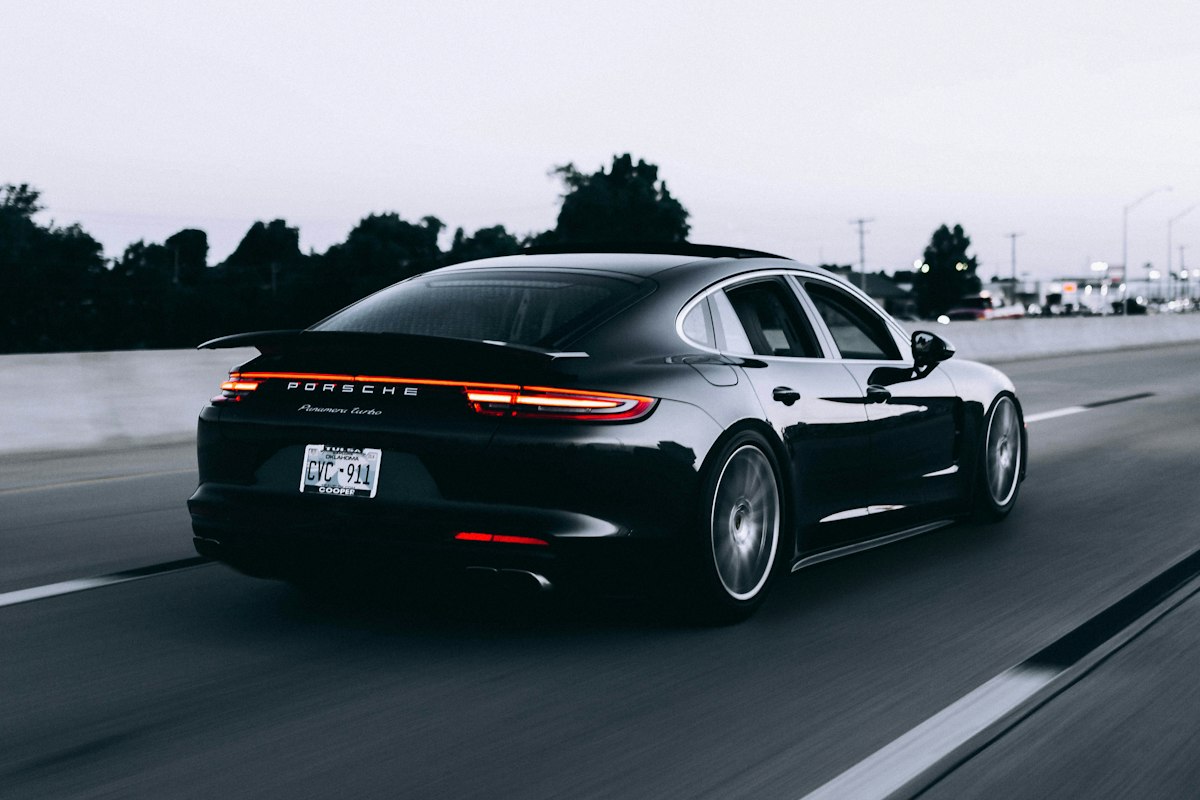
A complete guide to cleaning and conditioning leather car seats. Protect your interior investment from Texas heat, cracking, and fading with proper care.
Your vehicle's leather interior isn't merely a luxurious appointment; it's a significant investment in enduring comfort and sophisticated style. Yet, here in Lakeway, Bee Cave, and throughout the vibrant greater Austin area, that investment faces a gauntlet of unique environmental challenges. The unrelenting Texas sun, the pervasive dust from our iconic Hill Country roads (we’re looking squarely at you, Highway 620, RM 2222, and TX-71!), the seasonal onslaught of pollen, and even the notorious cedar particulates can relentlessly assault and degrade your leather seats. Over time, these elements conspire to cause cracking, premature fading, troublesome staining, and an undeniable loss of that supple, inviting feel you cherish. At Texas Hand Wash, your premier destination for a premium hand car wash in Lakeway, TX, we don't just understand these conditions; we live and breathe them.
This comprehensive guide, penned by experts in automotive care, is designed to arm you with the precise knowledge and advanced techniques required to properly clean and condition your leather car seats. Our goal is to ensure they remain in pristine, showroom condition for years to come – triumphing even under the most robust Texas skies. Whether you're navigating the picturesque routes of Steiner Ranch, embarking on adventures near Lake Travis, or enduring the daily commute down MoPac, diligent leather care is paramount to preserving your vehicle's value and significantly enhancing your driving experience.
At Texas Hand Wash, we’re passionate about protecting your vehicle’s aesthetic integrity and longevity. Following this guide will not only empower you with DIY maintenance strategies but will also highlight why a professional touch, like our meticulous hand washes and detailing services, is often the ultimate solution for lasting interior preservation.
The Texas Gauntlet: Why Our Environment Challenges Automotive Leather
Let's be unequivocally clear: Texas weather, while undeniably beautiful, is fundamentally brutal on automotive interiors. For leather, it’s not just a challenge; it’s a constant, demanding battle against degradation. Here’s a detailed breakdown of why your leather seats face such an uphill struggle in the Lone Star State:
Intense UV Radiation and Heat Exposure
- Scorching Sun: Our infamous 100°F+ summers mean the sun isn't just bright; it's a powerful, destructive force. Prolonged exposure to intense ultraviolet (UV) radiation relentlessly breaks down the natural oils and pigments within leather, leading to severe drying, accelerated fading, and ultimately, irreversible cracking. This is particularly true for vehicles regularly parked outdoors in exposed areas like The Oasis parking lot or those commuting from Lake Travis to Austin.
- Extreme Cabin Temperatures: Beyond direct UV assault, the sheer internal cabin temperatures reached during a Texas summer are astonishing. These oven-like conditions don't just accelerate UV damage; they cause leather to expand and contract dramatically, placing immense stress on its structural integrity and stitched seams.
Pervasive Dust, Pollen, and Environmental Debris
- Hill Country Dust: Driving on unpaved roads or even well-trafficked highways (we're keenly aware of the dust kicked up on 620 near Lakeway and Bee Cave) introduces a fine particulate matter that settles deep into the pores and seams of your leather. This abrasive dust acts like microscopic sandpaper, subtly yet consistently abrading the leather's surface every time you shift or sit.
- Texas Pollen & Allergens: Texas is renowned, or perhaps infamous, for its prolific and extended pollen seasons. From the yellow haze of spring to the tenacity of cedar pollen in winter, this fine, often sticky, dust accumulates on all interior surfaces. On leather, it creates a gritty, dull film and ironically attracts more dirt, exacerbating wear.
Human Elements: Sweat, Oils, and Stains
- Body Oils and Perspiration: The sheer heat and humidity in Texas inevitably lead to increased perspiration and transfer of natural skin oils to your seats. These substances aren't benign; they can stain, darken, and, over time, chemically break down the protective finishes and dyes on your leather, particularly in commonly touched areas like bolsters and headrests.
- Accidental Spills: Despite best efforts, spills happen. From an iced tea during a drive past the Pennybacker Bridge to a forgotten coffee, these can leave persistent stains if not addressed immediately and correctly, especially in our humid climate, which can set stains faster.
Understanding these unique, localized challenges isn’t just academic; it profoundly underscores the critical importance of a consistent, meticulous cleaning and conditioning regimen. This goes far beyond a cursory wipe-down; it demands a dedicated process to truly protect and preserve.
Ready for a Pristine Ride?
Most customers become members after their first visit.
Book Your Hand Wash →Identifying Your Leather: The First Step in Proper Care
Before any cleaning product or technique touches your precious interior, it is absolutely paramount to accurately identify the type of leather in your vehicle. Applying the wrong product or method can do more harm than good:
Common Automotive Leather Types
- Aniline or Semi-Aniline (Uncoated/Lightly Coated): These represent the pinnacle of natural leather aesthetics. They are exceptionally soft, highly breathable, and showcase the leather's natural grain and markings. However, their beauty comes with a trade-off: they are significantly more susceptible to staining, fading, and wear because they possess minimal to no protective topcoat. They readily absorb liquids.
- Pigmented/Protected (Coated): This is overwhelmingly the most common type of automotive leather found in modern vehicles. It features a durable polymer coating, often pigmented with color, applied to its surface. This coating renders it far more durable, highly resistant to stains, and considerably easier to clean. It typically feels less "natural" or "soft" than aniline leather due to the surface treatment.
- Nappa Leather: Often marketed as a premium option, Nappa is generally a type of full-grain, unsplit leather that is soft, durable, and often semi-aniline in finish. It offers a balance of luxury and protection but still requires careful maintenance.
- Synthetic Leather (e.g., "Leatherette," "Vegan Leather"): While not true animal hide, many modern vehicles feature high-quality synthetic alternatives. These often mimic the look and feel of genuine leather but require different care products, as they are essentially plastic-based.
The "Water Drop Test" for Identification
To perform a preliminary test:
- Locate a small, inconspicuous area of your leather (e.g., the underside of a seat flap, a hidden seam).
- Apply a tiny drop of plain water to the surface.
- Observe the reaction:
- If the water droplet is immediately absorbed and darkens the leather, it is highly likely to be aniline or semi-aniline (unprotected).
- If the water beads up and sits on the surface without being absorbed, it is almost certainly pigmented or protected leather.
- If it's synthetic, the water will bead, similar to protected leather.
Critical Precaution: Regardless of your presumed leather type, always, *always* test any new cleaning or conditioning product on an inconspicuous area first. Allow it to sit for a few minutes, then wipe it away and check for any adverse reactions like discoloration, dullness, or damage, before proceeding to larger areas.
The Texas Hand Wash Method: A Step-by-Step Guide to Leather Perfection
Here’s how to bestow upon your leather the meticulous care it deserves, ensuring it remains as captivating as the scenic drives through our beloved Hill Country:
Step 1: The Essential Thorough Vacuuming
This initial step is unequivocally the most critical, especially considering the relentless dust, pet hair, and pollen assaulting our vehicles here in Texas.
- Utilize Specialized Attachments: Employ your vacuum cleaner with a soft-bristle brush attachment. This allows for effective debris removal without scratching delicate leather surfaces.
- Systematic Approach: Meticulously vacuum every crevice, seam, and stitch line. Pay particular attention to the intricate pleats and perforations. Unremoved dust and abrasive debris will act like fine sandpaper, potentially causing micro-scratches when you begin your wet cleaning.
- Under the Cushions and Consoles: Don't overlook the often-forgotten areas: between seat cushions, along the transmission tunnel, and under the seats where crumbs, dirt, and hidden treasures often accumulate.
Step 2: The Gentle Initial Wipe-Down
This pre-cleaning step helps remove loose, superficial grime before introducing cleaning solutions.
- Microfiber Advantage: Lightly dampen a clean, high-quality microfiber cloth with plain water. For optimal results, especially in areas with hard water, distilled water is recommended to pre-empt mineral spotting.
- Delicate Removal: Gently wipe down all leather surfaces. This action efficiently lifts surface dust and initial layers of grime, preventing you from simply pushing dirt around during the subsequent cleaning phase.
Join the Texas Hand Wash Family
Save time and money with our unlimited wash membership.
Explore Membership →Step 3: Deep Cleaning with a Dedicated Leather Cleaner
Now, it's time for the targeted cleaning, selecting a product appropriate for your leather type.
- Product Selection:
- For Protected Leather: Use a pH-neutral, dedicated automotive leather cleaner. Avoid harsh household cleaners, all-purpose cleaners, or those containing silicone, heavy oils, or caustic chemicals, as these can strip protective coatings or leave a greasy residue.
- For Aniline/Semi-Aniline Leather: Opt for a very mild, specialized cleaner designed for delicate, uncoated leathers. These are often water-based and designed to clean without over-saturating or staining.
- Application:
- Spray the leather cleaner directly onto a clean microfiber cloth, or, for more control and to prevent oversaturation, directly onto a soft detailing brush.
- Work in small sections (e.g., one seat panel at a time).
- Agitation (if necessary):
- Gently agitate the cleaner into the leather using the microfiber cloth or a soft-bristle leather brush. This helps lift embedded dirt from the grain and seams. Avoid aggressive scrubbing, especially on delicate leathers.
- You’ll often see dirt and grime being lifted into the suds.
- Wipe Away Residue: Immediately wipe away the cleaner and lifted dirt with a separate, clean, and *slightly dampened* microfiber cloth. Rinse this cloth frequently. It's crucial not to let the cleaner dry on the leather.
- Inspect and Repeat: Examine the cleaned section. If visible dirt or stains remain, repeat the process. Stubborn stains might require a slightly stronger leather spot cleaner or professional intervention.
"In the ceaseless battle against the Texas elements, consistent and correct leather care is not a luxury, but a necessity, preserving both the aesthetic appeal and the structural integrity of your vehicle's most intimate environment." - Texas Hand Wash Editorial Team
Step 4: The Art of Leather Conditioning
After thorough cleaning, conditioning is paramount to replenish vital oils, maintain suppleness, and protect against future damage, especially crucial in our dry, hot climate.
- Ensure Dryness: Before applying conditioner, ensure the leather is completely dry from the cleaning process.
- Conditioner Selection:
- For Pigmented/Protected Leather: Choose a high-quality, water-based leather conditioner that contains UV inhibitors. These products nourish the leather, restore suppleness, and add a layer of protection to the topcoat. Avoid oily or greasy conditioners that can clog pores or attract dirt.
- For Aniline/Semi-Aniline: Select a specialized conditioner designed to penetrate and moisturize these more absorbent leathers without leaving residue.
- Application Technique:
- Apply a small amount of conditioner onto a clean foam applicator pad or a fresh microfiber cloth.
- Work in small, manageable sections, applying an even, thin layer to the leather.
- Gently massage the conditioner into the surface using circular motions.
- Dwell Time: Allow the conditioner to penetrate for the recommended dwell time, usually 10-15 minutes, or as per the product instructions. This allows the nourishing agents to fully absorb.
- Buff Off Excess: With a separate, clean, dry microfiber towel, lightly buff off any excess conditioner. This ensures a uniform finish and prevents a greasy feel or residue buildup. The goal is a natural, supple feel, not an overly shiny or slippery surface.
Advanced Tips and Long-Term Protection for Texas Driving
Stain Removal Specifics
- Ink Stains: Act quickly! Use a specialized ink remover for leather, applied with a cotton swab. Dab, don’t rub, to lift the ink.
- Grease/Oil: Gently blot with a clean cloth. For embedded stains, sprinkle a small amount of cornstarch or talcum powder, let it sit overnight to absorb, then gently brush off.
- Liquid Spills: Immediately blot (do not rub) with a clean, absorbent cloth. Follow with a gentle leather cleaner if a residue remains.
Proactive Measures Against Texas Elements
- Window Tinting: High-quality ceramic window tint (especially on side and rear windows) significantly reduces UV penetration and interior heat, providing an invaluable layer of protection for all interior surfaces, including leather.
- Sun Shades: A reflective sunshade, used consistently when parked outdoors, is a simple yet highly effective barrier against direct sunlight and heat buildup.
- Regular Maintenance: Establish a routine. In the Texas heat, cleaning and conditioning every 2-3 months is recommended, potentially more often if your vehicle is frequently exposed to the elements or parked outside.
- Professional Ceramic Coating for Interiors: For the ultimate defense against spills, UV, and wear, consider a professional interior ceramic coating. Products like professional ceramic coating can form a durable, invisible barrier that repels liquids, blocks UV, and makes future cleaning significantly easier. Consult with Texas Hand Wash about our advanced interior protection solutions.
When to Call the Professionals: Texas Hand Wash Expertise
While DIY care goes a long way, some tasks are best left to the seasoned professionals, especially with premium leather:
- Deep-Seated Stains: For persistent stains (e.g., dye transfer from jeans, extensive food spills) that resist your best efforts, professional extractors and specialized pH-balanced cleaners can often reverse the damage without harming the leather.
- Significant Cracking or Fading: If your leather is showing advanced signs of cracking, severe fading, or structural wear, professional leather repair and restoration services can often redye, condition, and reconstruct the damaged areas, saving you the cost of full seat replacement.
- Odor Removal: Lingering odors from spills, pets, or moisture can permeate leather. Professional detailers have access to ozone treatments and powerful odor neutralizers that genuinely eliminate, not just mask, these unpleasant smells.
- Time Constraints or Desire for Perfection: If your schedule is demanding or you simply desire the absolute best for your vehicle's interior, trust the meticulous hands at Texas Hand Wash. Our expert team leverages advanced tools, premium products, and proven techniques to deliver unparalleled interior detailing, preserving your investment and peace of mind. We offer meticulous hand car wash in Lakeway, TX, hand car wash near Bee Cave, TX, car wash serving Lake Travis, and car wash near Steiner Ranch, extending our premium services across the greater Austin area, including premium detailing in Westlake, TX and car wash in Spicewood, TX.
Frequently Asked Questions About Leather Car Seat Care in Texas
Q1: How often should I clean and condition my leather seats in the Texas heat?
A1: Given the extreme Texas climate, we recommend a thorough cleaning and conditioning every 2-3 months for regularly used vehicles, especially if parked outdoors. At minimum, aim for quarterly. Vehicles with heavy exposure to sun or frequent use, or those with lighter-colored leather, may benefit from more frequent attention.
Q2: Can I use household cleaners like Windex or dish soap on my car's leather?
A2: Absolutely not. Household cleaners are typically too harsh and often contain chemicals like ammonia, bleach, or strong detergents that can strip the natural oils and protective coatings from automotive leather. This leads to drying, cracking, discoloration, and rapid deterioration. Always use dedicated, pH-neutral automotive leather cleaners and conditioners.
Q3: My leather seats are starting to feel sticky/greasy after conditioning. What went wrong?
A3: This usually indicates one of two issues: either too much conditioner was applied, or not all of the excess was buffed off. Ensure you apply conditioner sparingly in thin, even layers, and always use a clean, dry microfiber cloth to buff away any residue after the recommended dwell time. Using an oil-based or silicone-heavy conditioner can also contribute to a greasy feel.
Q4: My leather is starting to crack. Can cleaning and conditioning fix this?
A4: Regular cleaning and conditioning can prevent cracking by keeping the leather supple and hydrated. However, once cracks have formed, they are generally permanent damage. Conditioning can help prevent further cracking and make existing cracks less noticeable, but it cannot fully repair them. For significant cracking, professional leather restoration services are often the best solution.
Q5: Is it worth investing in professional ceramic coating for my car's leather interior?
A5: For Texas drivers, absolutely. Professional interior ceramic coatings offer a superior level of protection against UV damage, liquid spills, dye transfer, and general wear. They create a hydrophobic barrier that repels contaminants, making cleaning much easier and helping to preserve the factory finish and feel of your leather in our challenging environment. It's a fantastic long-term preventative measure to protect your investment. Learn more about Best Auto Detailing Austin Lakeway Area and Car Detailing Austin Tx Complete Guide.
Need a deeper clean? Our auto detailing service in Lakeway, TX handles interior shampoo, leather treatment, paint decontamination, and more.
Where this applies at Texas Hand Wash: Our full-service hand car wash in Lakeway, TX follows the principles in this guide for every vehicle that comes through.
Frequently Asked Questions
Q1: How often should I clean and condition my leather seats in the Texas heat?
A1: Given the extreme Texas climate, we recommend a thorough cleaning and conditioning every 2-3 months for regularly used vehicles, especially if parked outdoors. At minimum, aim for quarterly. Vehicles with heavy exposure to sun or frequent use, or those with lighter-colored leather, may benefit from more frequent attention.
Q2: Can I use household cleaners like Windex or dish soap on my car's leather?
A2: Absolutely not. Household cleaners are typically too harsh and often contain chemicals like ammonia, bleach, or strong detergents that can strip the natural oils and protective coatings from automotive leather. This leads to drying, cracking, discoloration, and rapid deterioration. Always use dedicated, pH-neutral automotive leather cleaners and conditioners.
Q3: My leather seats are starting to feel sticky/greasy after conditioning. What went wrong?
A3: This usually indicates one of two issues: either too much conditioner was applied, or not all of the excess was buffed off. Ensure you apply conditioner sparingly in thin, even layers, and always use a clean, dry microfiber cloth to buff away any residue after the recommended dwell time. Using an oil-based or silicone-heavy conditioner can also contribute to a greasy feel.
Q4: My leather is starting to crack. Can cleaning and conditioning fix this?
A4: Regular cleaning and conditioning can prevent cracking by keeping the leather supple and hydrated. However, once cracks have formed, they are generally permanent damage. Conditioning can help prevent further cracking and make existing cracks less noticeable, but it cannot fully repair them. For significant cracking, professional leather restoration services are often the best solution.
Q5: Is it worth investing in professional ceramic coating for my car's leather interior?
A5: For Texas drivers, absolutely. Professional interior ceramic coatings offer a superior level of protection against UV damage, liquid spills, dye transfer, and general wear. They create a hydrophobic barrier that repels contaminants, making cleaning much easier and helping to preserve the factory finish and feel of your leather in our challenging environment. It's a fantastic long-term preventative measure to protect your investment. Learn more about Best Auto Detailing Austin Lakeway Area and Car Detailing Austin Tx Complete Guide.
Tags: leather seat cleaning
Ready for a Premium Hand Wash?
Texas Hand Wash provides 100% hand-washed car care in Lakeway, TX. Book your appointment or explore our Full Service Hand Wash, Auto Detailing, Ceramic Coating, and Unlimited Membership.