How Often Should You Detail Your Car? 2026 Guide
· 9 min read
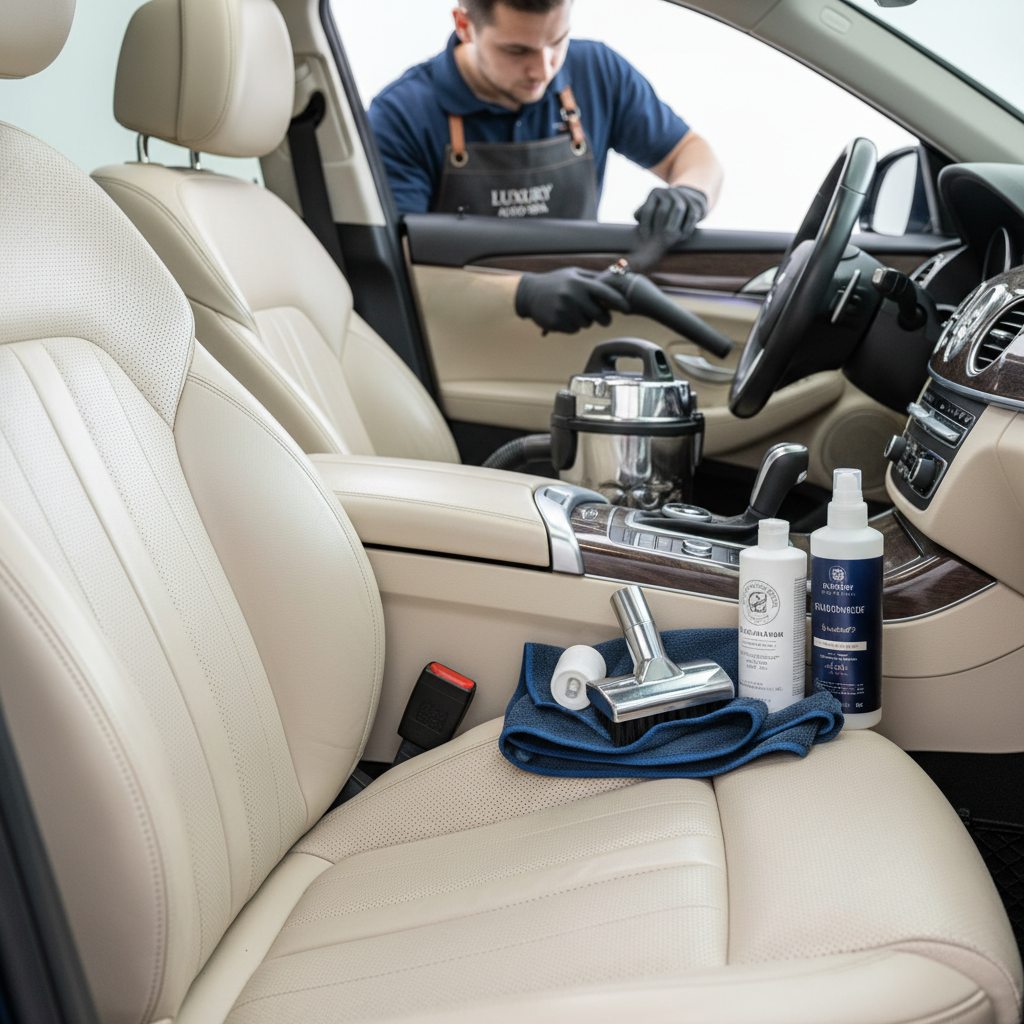
Most Austin drivers should detail every 3–6 months, with adjustments for heat, parking, lake roads, kids, pets, and paint condition.
8+ years on Lake Travis · Hand wash, not machines · By-appointment hand car wash in Lakeway, TX
- Most Austin cars need detailing every 3–6 months.
- Outdoor parking, lake use, kids, pets, and dark paint shorten the interval.
- Ceramic coating reduces maintenance, but it still needs care.
- Safe hand washing between details protects the finish.
- Schedule sooner when paint feels rough or water behavior fades.
How often should you detail your car? Most Austin drivers should schedule a full detail every 3–6 months, with maintenance hand washes in between. Daily drivers parked outside, vehicles near Lake Travis, and dark paint usually need more frequent care. Garage-kept vehicles can often stretch longer if washed correctly.
How often should you detail your car in Austin, TX?
For the Austin area, a practical detailing rhythm is every 3–6 months for most vehicles. The exact timing depends on how the car is used, where it is parked, how it is washed, and whether the paint has protection such as a paint sealant or ceramic coating.
A car that commutes from Bee Cave into Austin, sits outside all day, and sees limestone dust, oak pollen, sprinkler water, and highway grime should not be treated the same as a weekend SUV stored in a garage near Westlake. The first car needs tighter maintenance. The second can usually go longer between details.
At Texas Hand Wash, we look at detailing as preservation, not decoration. A proper detail resets the vehicle: exterior contamination removed, paint evaluated, interior cleaned deeper than a routine wipe-down, and protection applied where appropriate. Between those appointments, a careful full-service hand wash helps prevent the buildup that makes future detailing harder.
For Austin, Lakeway TX, Bee Cave, Steiner Ranch, Hudson Bend, and the broader Lake Travis area, these are the baseline intervals:
- Every 3 months: outdoor parking, dark paint, pets, kids, lake use, construction dust, or heavy commuting.
- Every 4–6 months: normal daily driving with a mix of garage and outdoor parking.
- Every 6–12 months: lightly driven, garage-kept vehicles that receive proper maintenance washes.
- As needed: after road trips, overspray, heavy sap, water spotting, or a stained interior event.
What does a detail include compared with a regular wash?
Book a detailing appointment in Lakeway →
A regular wash removes surface dirt. A detail goes deeper into contamination, interior buildup, paint clarity, and protective finish. That distinction matters because many vehicles that “look clean” still carry bonded contaminants that a wash mitt cannot safely remove.
A quality exterior detail may include a controlled hand wash, two-bucket method, wheel cleaning, bug and tar attention, clay bar treatment, iron decontamination, drying with clean towels, and protection. If the paint has defects, paint correction may be recommended separately to reduce swirl marks, oxidation, and wash marring before protection is applied.
An interior detail focuses on the cabin. That can mean vacuuming tight areas, cleaning touch points, treating plastics, cleaning glass, addressing carpets, and applying leather conditioner where appropriate. A work truck from Hudson Bend, a family SUV from Steiner Ranch, and a Tesla that spends time on Austin highways will not need the same interior process.
At our by-appointment hand wash studio, we separate maintenance washing from deeper detailing because they serve different purposes. I would rather recommend the right interval than over-service a car that simply needs careful maintenance.
If your vehicle is ready for a deeper reset, start with our detailing service in Lakeway. It is built for Austin-area drivers who want careful work without a tunnel wash approach.
What detailing schedule fits your driving style?
The best detailing schedule is based on exposure. Austin heat, Hill Country dust, tree cover, lake humidity, and daily traffic all change how quickly a vehicle accumulates contamination. The table below gives a clear starting point.
| Vehicle use | Recommended detail interval | Why it matters |
|---|---|---|
| Daily commuter parked outside | Every 3–4 months | Heat, UV, pollen, water spots, and road film build quickly on exposed paint. |
| Garage-kept daily driver | Every 4–6 months | Lower exposure, but still enough road grime and interior wear to justify routine care. |
| Family SUV with kids or pets | Every 3–4 months | Food, spills, sunscreen, pet hair, and leather wear need deeper interior attention. |
| Lake Travis weekend vehicle | Every 3–6 months | Dusty roads, boat ramps, humidity, and sun exposure accelerate buildup. |
| Garage-kept weekend car | Every 6–12 months | Light use lowers contamination, but protection still ages over time. |
| Ceramic coated vehicle | Every 6 months for inspection and decontamination | Coatings still need proper washing and periodic mineral and iron removal. |
These intervals are starting points, not rigid rules. If you drive through Bee Cave construction corridors every week or park under live oaks in Lakeway, shorten the schedule. If the car is garaged in Westlake and washed properly, extend it.
How do Austin heat, sun, and hard water affect detailing frequency?
Austin is tough on automotive finishes. Heat speeds up residue bonding. Sun bakes minerals into paint and glass. Hard water from sprinklers can leave stubborn spotting. Tree sap, pollen, and bird droppings become more damaging when they sit on hot panels.
That is why detailing frequency here is not the same as in a mild, shaded climate. A car parked outside near Lake Travis in July can develop water spotting and surface roughness quickly, especially on horizontal panels like the hood, roof, and trunk. Once minerals etch or bond, a basic wash will not remove them cleanly.
Contamination also affects how protection behaves. A hydrophobic surface should shed water cleanly. When the paint starts holding grime, feeling rough after washing, or drying with patchy water behavior, the protective layer may be clogged or fading. That does not always mean the car needs aggressive correction. Often, it needs decontamination and fresh protection.
For vehicles with ceramic coating, the maintenance plan is different but not hands-off. SiO2-based coatings are durable, slick, and hydrophobic, but they still need careful washing and periodic decontamination. If a coated vehicle is washed with dirty brushes or neglected under hard water, performance can drop. We inspect coating behavior during maintenance and can guide whether it needs decontamination, a topper, or a more involved correction process.
The simple rule: if Austin weather is touching the car every day, detail more often. If a garage protects it most of the time, maintenance can be more relaxed.
How often should you detail the interior?
Most Austin drivers should detail the interior every 3–6 months. Family vehicles, rideshare vehicles, pet vehicles, and cars used after lake days may need interior detail work closer to every 3 months. Light-use cars can often wait longer if the cabin is kept clean.
Interior wear tends to happen slowly, then suddenly looks permanent. Sunscreen transfers to leather. Coffee works into seams. Dust settles into vents and screens. Body oils build on steering wheels, armrests, and seat bolsters. In the Texas heat, residue can bake in and become harder to remove.
Leather and vinyl surfaces need special attention. Cleaning too aggressively can strip finishes or create shine where the material should look natural. A proper leather conditioner can help maintain feel and appearance when used appropriately, but it is not a substitute for cleaning. Conditioning over grime simply seals in the problem.
For Tesla owners in Austin, the interior schedule also depends on screen use, white seating surfaces, and charging routine. If the vehicle is washed or moved in service settings, Tesla wash mode should be used where applicable. The exterior may get the attention, but the cabin is where daily wear is most visible.
Interior detailing should be scheduled sooner if you notice:
- Sticky steering wheel or control surfaces.
- Shiny leather bolsters from body oils.
- Pet hair embedded in carpet or cargo areas.
- Odor that returns after basic cleaning.
- Dust collecting in vents, seams, and screens.
- Stains from drinks, sunscreen, or food.
When does your car need paint correction instead of just detailing?
Your car may need paint correction when the finish has visible swirl marks, haze, oxidation, water spot etching, or dullness that remains after washing and decontamination. Detailing cleans and protects. Paint correction refines the clear coat to improve clarity.
This distinction matters. A clay bar can remove bonded contamination, but it will not remove scratches. Iron decontamination can dissolve embedded metallic particles, but it will not level defects. An IPA wipe-down can remove polishing oils before protection, but it does not correct paint by itself. Each step has a job.
Many Austin vehicles develop swirl marks from automatic tunnel washes, dirty towels, or rushed driveway washing. Dark paint shows these defects quickly, especially in direct sun around Lakeway or Bee Cave. A hand wash performed with clean media and the two-bucket method helps reduce future marring, but it cannot undo years of improper washing.
Paint correction is commonly recommended before ceramic coating because coatings lock in the current appearance. If the paint has haze and swirls, coating over it may protect the surface but will not make the defects disappear. A proper correction process can restore gloss before the coating is installed.
If the headlights are cloudy, that is a separate issue. Headlight oxidation comes from UV damage to the lens surface. It can reduce clarity and make the vehicle look older even when the paint is clean. For that, see our headlight restoration service.
Can ceramic coating change how often you need detailing?
Yes. Ceramic coating can reduce how often a vehicle needs full exterior detailing, but it does not eliminate maintenance. A coated vehicle still needs safe hand washing, periodic decontamination, and inspection. The coating protects the paint; it does not make the car self-cleaning.
In Austin, ceramic coating is especially useful for vehicles exposed to sun, road film, bugs, and hard water. Its hydrophobic behavior helps washing and drying, and the slickness can reduce how strongly grime bonds to the finish. But minerals, pollen, sap, and iron particles still accumulate over time.
For most coated vehicles, we recommend a maintenance-focused inspection and decontamination about every 6 months, adjusted by use. If the vehicle spends most of its life outside in Lakeway TX or near Hudson Bend roads, it may need attention sooner. If it is garaged and maintained carefully, the interval can stretch.
Before coating, the paint must be properly prepared. That may involve a hand wash, clay bar, iron decontamination, paint correction, and IPA wipe-down before installation. Skipping preparation is where many coating results fail. The coating is only as good as the surface underneath it.
If you are comparing protection options, our ceramic coating service is the better fit for long-term paint protection. A paint sealant is still useful for many vehicles, but ceramic coating generally offers more durable protection when installed and maintained correctly.
What signs mean it is time to detail sooner?
You do not need to wait for the calendar if the vehicle is showing signs of contamination or wear. The surface will usually tell you when it is time.
- The paint feels rough after washing.
- Water no longer beads or sheets evenly.
- Bug residue or bird droppings leave marks after cleaning.
- The vehicle dries with water spots or mineral haze.
- The interior has odor, stains, or sticky touch points.
- Glass looks cloudy even after a normal wipe.
- Brake dust returns quickly or wheels look stained.
- Swirl marks are obvious in sunlight.
A rough surface usually means bonded contaminants are present. Uneven water behavior often points to worn, clogged, or absent protection. Interior odor can mean the source is deeper than the surface. Swirl marks point to wash process problems, not just dirt.
For drivers near Lake Travis, the most common early-detail triggers are hard water spotting, dust, bugs, and cabin sand or debris after weekends outdoors. Around Bee Cave and Steiner Ranch, tree pollen and road construction dust are frequent reasons to shorten the detailing cycle.
If you are unsure, book an evaluation rather than guessing. You can use our booking page to schedule by appointment. We are 8+ years on Lake Travis, and our work is built around careful inspection rather than fast-lane volume.
How should you maintain your car between details?
The way you wash between details determines how long the detail lasts. Poor maintenance can undo a detail quickly. Careful maintenance can extend the finish, protect the interior, and reduce the need for aggressive correction later.
Start with frequency. In Austin, a vehicle driven daily should usually be washed every 1–2 weeks, especially during pollen season, summer heat, or after rain. If the car is ceramic coated, washing still matters because dirt sitting on top of the coating can reduce slickness and hydrophobic performance.
Use a safe process. A two-bucket method, clean wash mitts, proper soap, and clean drying towels reduce marring. Avoid dry wiping dusty paint. Avoid stiff brushes. Avoid letting sprinkler water bake on the surface. If the vehicle is visibly dusty from Lakeway or Hudson Bend roads, rinse thoroughly before contact washing.
Interior maintenance is simpler but still important. Remove trash often. Wipe spills quickly. Keep sunscreen away from leather and screens when possible. Vacuum grit before it gets ground into carpet. Use appropriate cleaners rather than household products that can leave residue or damage finishes.
For owners who want consistency, our membership">monthly memberships are designed around ongoing hand wash care, not express tunnel volume. Memberships help keep the vehicle from reaching the point where every visit needs to become a restoration.
A practical maintenance sequence
- Rinse thoroughly to remove loose dust and grit before touching the paint.
- Wash with clean mitts and proper soap, panel by panel.
- Clean wheels and lower panels with separate tools.
- Dry with clean towels before water spots form.
- Inspect paint feel, water behavior, glass clarity, and interior touch points.
- Schedule detailing when contamination, stains, or protection loss appear.
Is detailing frequency different for luxury, electric, and dark-colored vehicles?
Yes. Luxury vehicles, EVs, and dark-colored cars often benefit from a more disciplined detailing schedule. The materials, paint visibility, and owner expectations are different. The process should match the vehicle.
Dark paint shows swirl marks faster than silver or white. Black, deep blue, and dark gray vehicles in Austin sun reveal towel marks, tunnel wash damage, and water spotting very clearly. These vehicles often need safer washing, more frequent protection checks, and occasional paint correction to maintain depth.
Electric vehicles introduce different service considerations. Tesla models should be handled with awareness of Tesla wash mode, flush door handles, cameras, sensors, charge ports, and trim. That does not mean they are fragile. It means the process should be deliberate. A by-appointment hand wash is better suited to that approach than a high-volume tunnel.
Luxury interiors also deserve restraint. Glossy dressings, harsh cleaners, and over-saturated carpets do not belong in a premium cabin. The goal is clean, quiet, and factory-correct, not shiny. A good detail should make the vehicle feel cared for without looking coated in product.
For these vehicles, plan on detailing every 3–4 months if driven daily and every 6 months if garaged and lightly used. Add ceramic coating if you want longer-term protection and easier maintenance, especially on dark paint.
How do you choose the right detailer in Austin?
Choose a detailer by process, not promises. The right shop should be able to explain how they wash, decontaminate, protect, and correct paint. They should also be clear about what can and cannot be fixed safely.
Ask about wash method, towel care, paint inspection, product choice, and whether correction is included or separate. Ask how they handle ceramic coating preparation. Ask whether they use a clay bar only when needed, and whether they understand iron decontamination before polishing or coating. The answers should be specific.
A good detailer will not guarantee that every scratch can be removed. Some defects are too deep. Some interiors have permanent dye transfer or heat damage. Some water spots have etched beyond simple removal. Honesty protects the vehicle and the owner.
Texas Hand Wash is an owner-operated studio serving Lakeway, Bee Cave, Lake Travis, Steiner Ranch, Hudson Bend, Spicewood, and Westlake. We are not a tunnel wash. We work by appointment and focus on hand wash maintenance, detailing, ceramic coating, and headlight restoration for drivers who care about process.
If you want a direct recommendation for your vehicle, use the contact page or schedule a visit. The best detailing interval is the one that matches your paint, your parking, and your actual driving routine.
Frequently asked questions about car detailing frequency
Is detailing every month too often?
A full detail every month is usually unnecessary for a personal vehicle unless it sees extreme use. Most cars need routine hand washing monthly or more often, with full detailing every 3–6 months. Interior-heavy vehicles may need more frequent cabin attention without needing full exterior correction every time.
Should I detail before or after summer in Austin?
Both can make sense. Detailing before summer adds protection before heat and UV exposure. Detailing after summer removes baked-on minerals, bugs, sunscreen residue, and cabin buildup. For outdoor-parked vehicles, a spring and fall rhythm works well.
Does a ceramic coated car still need detailing?
Yes. Ceramic coating reduces maintenance burden, but it still needs safe washing, periodic decontamination, and inspection. A neglected coating can become clogged with minerals and grime, reducing slickness and water behavior.
How often should I clay bar my car?
Only clay bar when the paint needs it. If the surface feels rough after washing, bonded contamination may be present. Overusing clay can create marring, especially on softer paint, so it should be part of a controlled detail process.
Sources
- Tesla Owner’s Manuals
- U.S. EPA Stormwater Discharges from Municipal Sources
- Consumer Reports Car Maintenance
- SEMA News and Industry Resources
Key Takeaways
- Most Austin cars need detailing every 3–6 months.
- Outdoor parking, lake use, kids, pets, and dark paint shorten the interval.
- Ceramic coating reduces maintenance, but it still needs care.
- Safe hand washing between details protects the finish.
- Schedule sooner when paint feels rough or water behavior fades.
Frequently Asked Questions
How often should you detail your car in Austin?
Most Austin drivers should detail their car every 3–6 months. Outdoor parking, lake use, pets, kids, dark paint, and heavy commuting can shorten the interval to about every 3–4 months.
Is detailing every month too often?
A full detail every month is usually more than most personal vehicles need. Monthly or biweekly hand washing may be appropriate, while full detailing is usually best every 3–6 months.
Does a ceramic coated car still need detailing?
Yes. Ceramic coated vehicles still need safe washing, periodic decontamination, and inspection. The coating protects the paint, but it does not prevent all mineral, pollen, or road film buildup.
How often should you detail a car interior?
Most interiors should be detailed every 3–6 months. Family vehicles, pet vehicles, and cars exposed to sunscreen, spills, or lake use may need interior detailing closer to every 3 months.
Tags: detailing, Austin TX, Lakeway TX, car care, ceramic coating
Ready for a Premium Hand Wash?
Texas Hand Wash provides 100% hand-washed car care in Lakeway, TX. Book your appointment or explore our Full Service Hand Wash, Auto Detailing, Ceramic Coating, and Unlimited Membership.