hand wash for trucks: 2026 Lakeway Guide
· 8 min read
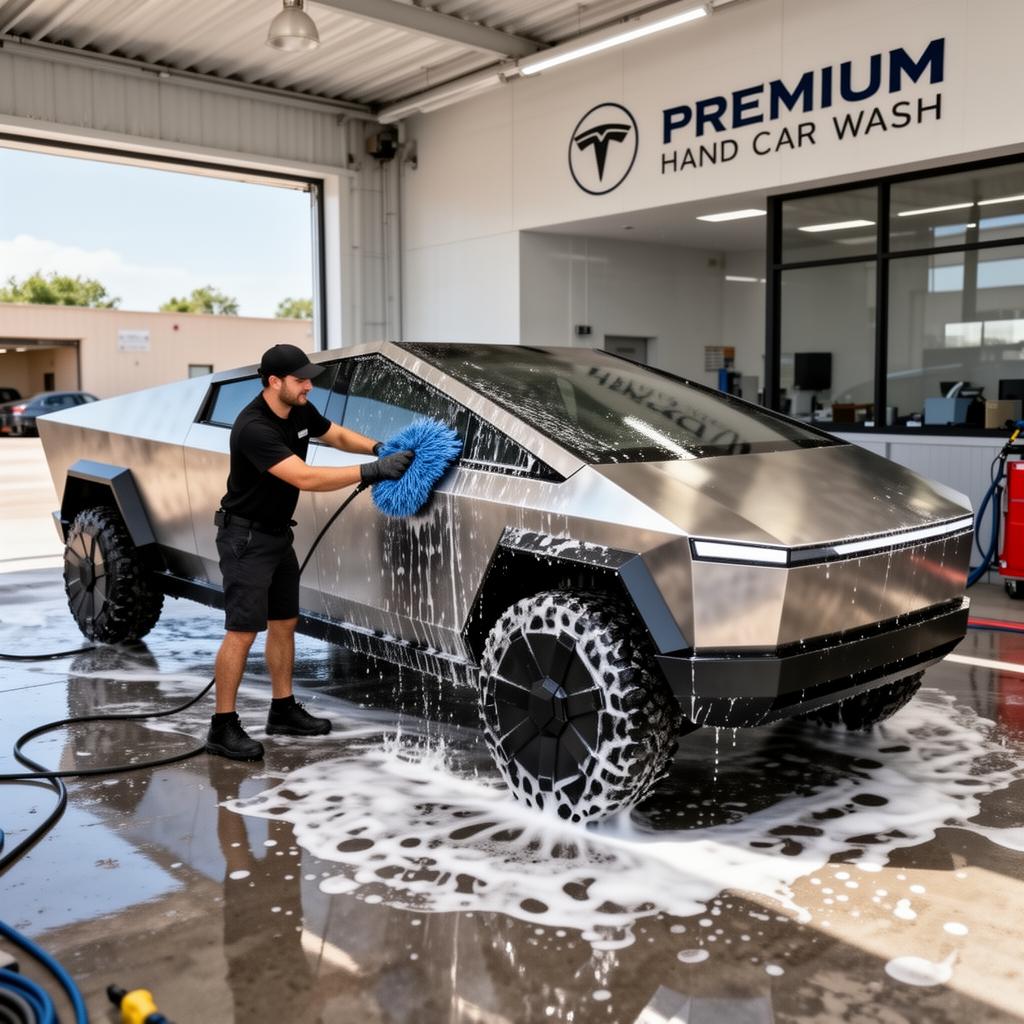
A truck needs more than extra soap. Learn how a proper hand wash protects paint, wheels, trim, bed areas, and coatings around Lake Travis.
8+ years on Lake Travis · Hand wash, not machines · By-appointment hand car wash in Lakeway, TX
- Truck hand washing is about controlled contact, not extra soap.
- Wheels, lower panels, running boards, and bed areas need separate care.
- Lake Travis heat, dust, pollen, and hard water make routine washing important.
- Ceramic coating helps, but it still needs careful maintenance washes.
- Choose a by-appointment hand wash when paint condition matters.
A proper hand wash for trucks uses controlled contact, clean wash media, safe drying, and extra attention to wheels, lower panels, bed edges, and large flat surfaces. Around Lakeway TX and Lake Travis, that matters because heat, dust, road film, sprinklers, and boat-ramp grime can mark truck paint quickly.
What makes a hand wash for trucks different from a regular car wash?
Trucks are larger, taller, and more exposed than most cars. The hood, roof, tailgate, mirrors, rocker panels, wheel wells, bed rails, and rear bumper all collect different kinds of contamination. A clean-looking pickup can still carry mineral deposits, road film, pollen, brake dust, and embedded grit that should not be dragged across the paint.
A tunnel wash treats most vehicles the same way. A by-appointment hand wash allows the process to be adjusted to the truck. That is important for full-size pickups, lifted trucks, work trucks, tow vehicles, and premium SUVs used around Bee Cave, Hudson Bend, Steiner Ranch, and Lakeway.
The main difference is control. A careful wash controls pressure, chemistry, contact, towels, and sequence. It also accounts for trim, tonneau covers, trailer hitches, running boards, bed liners, emblems, roof racks, and ceramic coating condition. For owners who keep a truck long term, the goal is not simply making it shine for an hour. The goal is reducing wear every time it is cleaned.
Texas Hand Wash is an owner-operated, by-appointment hand wash serving the Lake Travis area with 8+ years on Lake Travis. We wash by hand, not through a tunnel, and monthly memberships are available for drivers who want consistent care without guessing.
Why do trucks show wash damage so easily?
See our full-service hand wash options →
Trucks show wash damage because they combine large painted panels with heavy contamination. A black hood on a full-size truck can expose swirl marks quickly in direct Lakeway sun. White and silver trucks may hide swirls better, but the damage is still there, often visible under gas station lights or after a ceramic coating inspection.
The lower half of a truck is usually the dirtiest. Tires throw grime onto rocker panels and lower doors. Running boards trap mud and dust. The rear bumper catches exhaust residue and road film. If those areas are washed in the wrong order, the wash media can carry grit to cleaner upper panels.
Common causes of truck wash damage include:
- Using one bucket for the entire vehicle
- Dragging dirty mitts across large hood and door panels
- Using aggressive brushes on painted surfaces
- Drying with rough or contaminated towels
- Skipping wheel and lower-panel pre-rinse
- Letting hard water dry in the sun
- Using strong degreasers on trim, coatings, or painted wheels
A truck wash should respect panel order. Wheels, tires, and lower sections need separate attention. Upper panels need clean mitts. Drying should be fast and gentle. That is how you reduce swirl marks and preserve gloss, especially on darker trucks parked near Lake Travis marinas, construction dust, or caliche roads.
What is the safest hand wash process for a truck?
The safest process starts with inspection, then removes loose contamination before any direct contact. Contact is where most paint defects happen. The cleaner the surface is before the mitt touches it, the safer the wash becomes.
Step 1: Inspect the truck before washing
Look at the paint, wheels, trim, bed area, tonneau cover, hitch, sensors, and cameras. A truck used for towing near Hudson Bend may need more rear bumper and hitch attention. A daily driver from Bee Cave may need more lower-door and wheel cleaning. If the truck has ceramic coating, the wash should avoid harsh chemicals that can reduce hydrophobic behavior.
Step 2: Pre-rinse from top to bottom
A thorough rinse removes loose grit. Large panels need patience. The roof, hood, windshield area, mirrors, grille, and tailgate should be rinsed before mitt contact. Wheel wells and running boards should also be flushed so dirt does not splash back later.
Step 3: Clean wheels and tires separately
Wheels, tires, and wheel wells carry brake dust and road grime. They should have dedicated brushes, towels, and chemicals. Painted, polished, gloss black, or coated wheels need gentle products. Brake dust may require iron decontamination during a deeper detail, but not every maintenance wash needs that step.
Step 4: Use the two-bucket method or equivalent wash control
The two-bucket method separates clean wash solution from rinse water. The point is simple: keep grit away from the paint. On trucks, this matters because the mitt travels across more surface area than it would on a sedan. Clean mitts, safe shampoo, and proper sectioning reduce the chance of marring.
Step 5: Wash in sections
Start high and work down. Roof, glass, hood, upper doors, bed sides, tailgate, lower doors, bumpers, and running boards should not all be treated as equal surfaces. Lower panels are washed later with separate media if needed.
Step 6: Rinse, inspect, and dry safely
Drying is not an afterthought. Large truck panels hold water in mirrors, badges, bed rails, fuel doors, tailgate seams, and grille openings. Soft drying towels and forced air where appropriate can reduce drips and water spotting. In Lakeway TX heat, drying quickly matters.
If you want this done consistently rather than as a weekend project, see our full-service hand wash in Lakeway or schedule through our booking page.
Is hand washing better for trucks than a tunnel wash?
For owners who care about paint condition, hand washing is usually the better choice. The reason is not romance. It is control. A tunnel wash has to move vehicles quickly and cannot inspect the specific truck before contact. Brushes, cloth strips, recycled water systems, and aggressive drying can all increase risk when a truck is already dusty.
That does not mean every hand wash is safe. A poor hand wash can damage paint too. The process, towels, chemistry, and operator matter. The best wash is the one that removes contamination while minimizing friction.
| Wash factor | Controlled hand wash | Typical tunnel wash |
|---|---|---|
| Vehicle inspection | Truck-specific review of paint, trim, wheels, bed, and coatings | Limited or no individual inspection |
| Paint contact | Clean mitts and towels used by panel condition | Shared wash media contacts many vehicles |
| Large truck panels | Washed in sections with controlled pressure | Same system path for most vehicles |
| Wheel and lower-panel grime | Handled separately to reduce cross-contamination | Often cleaned as part of a fast sequence |
| Coating care | Can be adjusted for ceramic coating or paint sealant | Chemistry may not be coating-specific |
A truck driven between Steiner Ranch, Lakeway, and the marina does not collect the same contamination as a garage-kept coupe. The process should reflect that.
How often should you hand wash a truck in Lakeway TX?
Most trucks in the Lake Travis area benefit from a regular maintenance wash every one to three weeks, depending on use. A garaged truck used mostly around Lakeway may need less frequent washing than a truck that tows, parks outside, visits job sites, or spends weekends near water.
Wash timing should be based on contamination, not a fixed rule. Pollen, sprinkler water, bird droppings, bug residue, tree sap, road salt after winter treatments, and muddy boat-ramp residue should not sit for long. The longer contamination sits, the harder it can be to remove safely.
Monthly memberships make sense for truck owners who want a repeatable process and a cleaner baseline. They are especially useful for drivers who move between Bee Cave, Hudson Bend, and Lakeway several times a week. Our membership">monthly wash memberships are built for routine care by appointment, not high-volume express washing.
I would rather wash a truck carefully and regularly than correct heavy wash damage later. Paint correction can restore gloss and reduce defects, but prevention is always cleaner than repair.
What products and techniques matter most on truck paint?
The best products are the ones matched to the surface. A truck may have painted panels, matte plastic trim, chrome, gloss black trim, powder-coated steps, bed liner, clear-coated wheels, leather, vinyl, and glass. One chemical should not be expected to handle all of that safely.
For exterior washing, pH-balanced shampoo, quality mitts, safe drying towels, and separate wheel tools matter. For deeper cleaning, a clay bar may be used after chemical decontamination to remove bonded contaminants. Iron decontamination can help dissolve metallic particles, especially on wheels and lower panels. An IPA wipe-down may be used before applying ceramic coating or certain protection products, but it is not a routine wash step.
Protection options vary. A paint sealant can add temporary slickness and protection. Ceramic coating uses durable chemistry, often associated with SiO2-based protection, to create a harder-wearing surface that is easier to wash when maintained correctly. A coated truck is not self-cleaning. It is simply easier to clean, more hydrophobic, and less likely to hold grime as stubbornly when cared for properly.
For trucks with existing coatings or for owners considering long-term protection, see our ceramic coating service in Lakeway. If the paint already has haze, water spots, or visible wash marks, a dedicated detailing appointment may be more appropriate than a standard maintenance wash.
Should a truck get detailing, paint correction, or ceramic coating?
A hand wash maintains condition. Detailing improves condition. Paint correction repairs or refines paint defects. Ceramic coating protects the corrected or properly prepared surface. These services are related, but they are not the same.
A standard hand wash is right when the truck is generally healthy and needs exterior and interior upkeep. An interior detail is right when the cabin needs deeper cleaning, including seats, console areas, vents, cupholders, and floor surfaces. Leather conditioner may be appropriate for certain leather interiors after cleaning, depending on the material and manufacturer guidance.
Detailing becomes important when a truck has bonded contamination, neglected wheels, water spotting, dull trim, or stained surfaces. Paint correction is considered when the clear coat has visible swirl marks, light scratches, oxidation, or haze. Ceramic coating is best applied after the paint is properly cleaned and corrected to the desired level.
Headlights are another common truck issue in Central Texas. Sun exposure can cause headlight oxidation, reducing clarity and making the front end look older than it is. If the lenses are hazy, review our headlight restoration service before replacing assemblies.
The right choice depends on the truck’s condition and how you use it. A lifted weekend truck near Lake Travis may need different care than a company truck parked daily in Bee Cave. An owner-operated inspection helps make that call without overselling the service.
What should truck owners do between professional washes?
Between appointments, restraint matters. The fastest way to add swirls is to wipe a dusty truck with a dry towel. If the truck is dirty, wash it properly or leave it alone until it can be washed safely.
Simple maintenance habits help:
- Rinse heavy mud before it dries hard on wheel wells or running boards
- Remove bird droppings and bug residue promptly with safe methods
- Avoid automatic brush washes after trailering, towing, or job-site use
- Do not use household cleaners on paint, trim, wheels, or leather
- Park away from sprinklers when possible to reduce mineral spotting
- Keep bed drains clear if the truck has a cover or liner
- Use Tesla wash mode when washing a Tesla truck or vehicle that requires it
If you do a light rinse at home, use shade when possible and avoid letting hard water dry on the paint. Around Lakeway and Steiner Ranch, direct sun can turn a small water spot problem into a visible one quickly. If you are unsure whether the surface is safe to touch, do not touch it.
What should you look for in a truck hand wash near Lake Travis?
Look for a shop that understands trucks, appointments, and paint preservation. The right provider should be able to explain how they handle dirty lower panels, wheels, coated surfaces, drying, and oversized vehicles. They should also be honest when a truck needs detailing rather than a basic wash.
Important signs of a quality truck wash include clean towels, organized wash media, separate wheel tools, safe product selection, and a process that changes with the vehicle. A shop serving Lakeway TX should also understand local conditions: limestone dust, heat, pollen, hard water, lake traffic, and long highway drives.
Texas Hand Wash is not a tunnel and not an express line. We work by appointment so each vehicle can be handled with the right amount of time and care. For truck owners near Lake Travis, Bee Cave, Hudson Bend, and Steiner Ranch, that difference is practical. Large vehicles need space, sequence, and attention.
If you want a cleaner routine, start with a maintenance wash. If the truck has neglected paint, staining, or dull headlights, start with an inspection and detail plan. The best result usually comes from matching the service to the current condition, then maintaining it consistently.
Sources
- Consumer Reports car washing guidance
- U.S. EPA pollution prevention resources
- Tesla owner manual wash mode guidance
- SEMA industry news and vehicle care context
Key Takeaways
- Truck hand washing is about controlled contact, not extra soap.
- Wheels, lower panels, running boards, and bed areas need separate care.
- Lake Travis heat, dust, pollen, and hard water make routine washing important.
- Ceramic coating helps, but it still needs careful maintenance washes.
- Choose a by-appointment hand wash when paint condition matters.
Frequently Asked Questions
What makes a hand wash for trucks different from a regular wash?
A truck hand wash accounts for larger panels, taller roofs, dirtier lower sections, wheels, running boards, bed areas, trim, and towing-related grime. The process should use controlled contact and separate tools for dirty areas.
How often should I hand wash my truck in Lakeway TX?
Most Lakeway and Lake Travis trucks benefit from washing every one to three weeks, depending on outdoor parking, towing, pollen, road film, sprinkler exposure, and weekend lake use.
Is a hand wash safer than a tunnel wash for trucks?
A careful hand wash is generally safer because the operator can inspect the truck, control wash media, separate dirty areas, and adjust products for coatings, wheels, trim, and oversized panels.
Can ceramic coated trucks go through a normal wash?
Ceramic coated trucks should be washed with coating-safe products and gentle contact methods. Harsh chemistry and dirty wash media can reduce slickness and affect hydrophobic performance.
Tags: hand wash, trucks, Lakeway TX, Lake Travis, detailing, ceramic coating
Ready for a Premium Hand Wash?
Texas Hand Wash provides 100% hand-washed car care in Lakeway, TX. Book your appointment or explore our Full Service Hand Wash, Auto Detailing, Ceramic Coating, and Unlimited Membership.