Full Service Wash for Ceramic Coated Vehicle 2026
· 9 min read
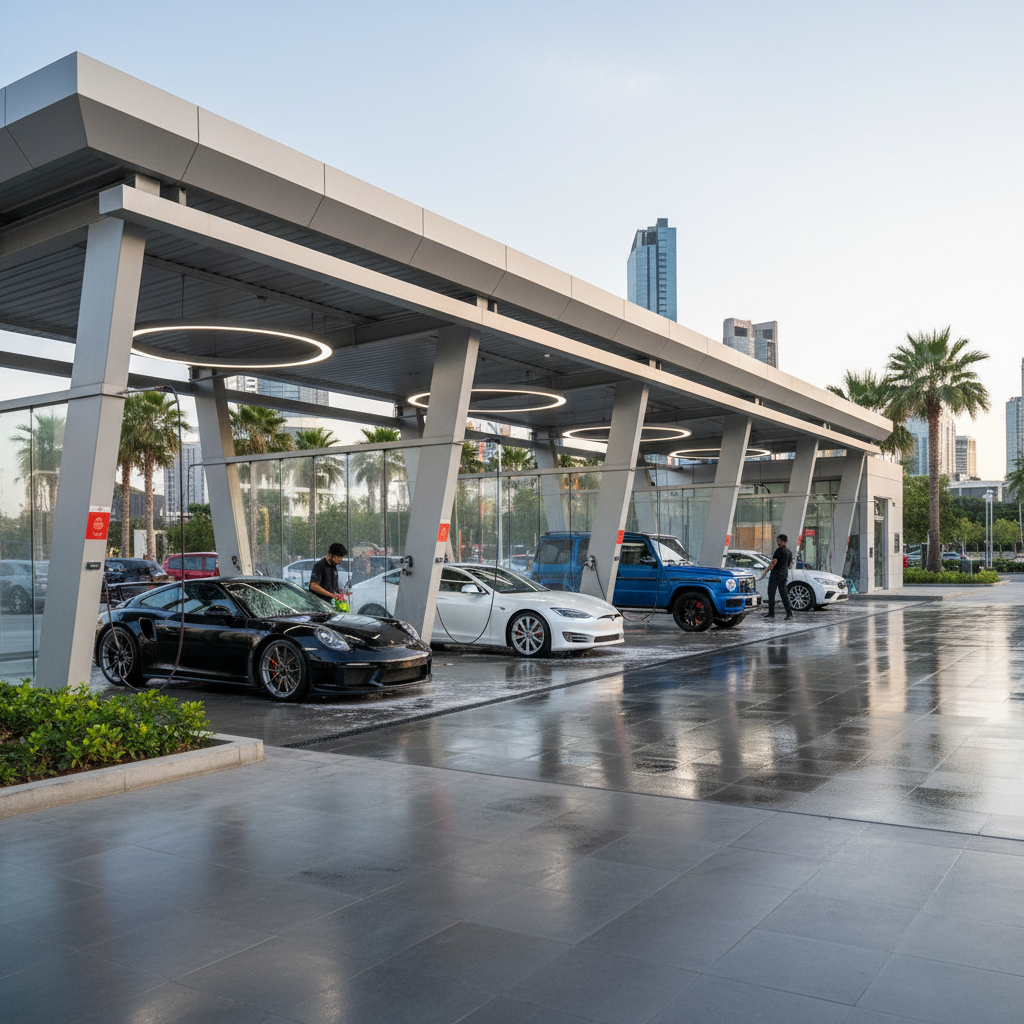
A Lake Travis guide to washing ceramic coated vehicles correctly: safe contact, proper chemistry, interior care, and coating maintenance.
8+ years on Lake Travis · Hand wash, not machines · By-appointment hand car wash in Lakeway, TX
- A coated vehicle still needs gentle, consistent hand washing.
- Clean tools, soft drying, and proper chemistry help prevent swirl marks.
- Loss of water beading may mean contamination, not coating failure.
- Lake Travis sun, pollen, and hard water make drying and timing important.
- Book coated-vehicle maintenance with a process-focused hand wash team.
A full service wash for ceramic coated vehicle care should clean the exterior, wheels, glass, door jambs, and interior without stripping or marring the coating. The best approach is a careful hand wash, pH-appropriate chemistry, separate wheel tools, soft drying towels, and periodic inspection for contamination that can reduce hydrophobic behavior.
What does a full service wash include for a ceramic coated vehicle?
For a ceramic coated vehicle, a full service wash is not simply more cleaning. It is controlled cleaning. The goal is to remove road film, pollen, brake dust, bird residue, and interior debris while preserving the coating’s slickness and gloss. Around Lakeway TX and Lake Travis, vehicles see limestone dust, cedar pollen, construction grit, marina traffic, and sun-baked water spots. Those conditions make process matter.
At Texas Hand Wash, we treat coated paint differently from unprotected paint. The wash should include a pre-rinse, wheel and tire cleaning, foam or lubricated wash media, a two-bucket method where appropriate, detailed hand rinsing, soft towel drying, glass cleaning, door jamb wipe-down, vacuuming, and an interior wipe-down. If the coating is healthy, water should sheet or bead quickly, and the surface should feel smooth after proper drying.
A full-service visit may also reveal when the vehicle needs more than a maintenance wash. If water behavior is flat, the surface feels gritty, or the lower panels look dull, the issue may be bonded contamination rather than coating failure. That can call for iron decontamination, a clay bar process, or a light refresh service, depending on the coating and paint condition.
For routine care, start with our full-service hand wash in Lakeway TX. If your coating needs inspection, maintenance, or a new application, see ceramic coating service in Lakeway TX.
Why does a ceramic coated vehicle need a different wash?
See ceramic coating options & request a quote →
Ceramic coating is designed to create a durable protective layer over the vehicle’s clear coat. Many coatings use SiO2-based chemistry to add gloss, chemical resistance, and hydrophobic performance. That does not make the vehicle scratch-proof. It also does not mean every soap, brush, towel, or drying method is safe.
The coating’s surface can still collect road film. It can still be marred by dirty wash media. It can still be affected by hard water minerals, aggressive degreasers, or automatic tunnel brushes. The advantage is that a coated vehicle usually releases dirt more easily when cleaned correctly. Less scrubbing should be needed. Less pressure on the paint means a lower chance of swirl marks.
The most common problem we see around Bee Cave, Hudson Bend, and Steiner Ranch is not a failed coating. It is a neglected coating. The owner remembers the vehicle was coated, then treats it as maintenance-free. Months later, the water no longer beads as sharply. The paint may still be protected, but contamination has masked the surface.
A proper wash respects the coating. It uses lubrication, clean towels, controlled contact, and drying that does not drag grit across the surface. It avoids harsh all-purpose chemicals on the paint unless there is a specific reason and a controlled process. The point is not to make the wash complicated. The point is to remove dirt without leaving damage behind.
How often should you get a full service wash for ceramic coated vehicle maintenance?
Most ceramic coated vehicles in the Lake Travis area benefit from a full service hand wash every two to four weeks, depending on use, parking, season, and exposure. A garage-kept weekend vehicle in The Hills may need less frequent washing than a daily commuter parked near construction dust or oak pollen in Lakeway.
If the vehicle sees bird droppings, bug residue, sprinkler water, lake road grime, or tree sap, do not wait for the next perfect appointment. Those contaminants can etch or stain if left to bake in Texas heat. Ceramic coating buys time and makes cleaning easier, but it is not a reason to let acidic residue sit on the finish.
Monthly memberships work well for coated vehicles because consistency is the protection plan. Our model is a by-appointment hand wash, not a tunnel, and memberships are monthly. That allows the vehicle to be handled by the same disciplined process instead of unpredictable wash methods from place to place.
- Wash sooner after bird droppings, bugs, sap, or sprinkler water.
- Keep a regular schedule during cedar pollen and construction seasons.
- Inspect lower panels and rear bumpers for bonded grime.
- Use interior care regularly so the full service visit stays maintenance-focused.
- Avoid automatic brushes if preserving gloss is the priority.
I would rather see a coated vehicle washed gently and consistently than aggressively corrected after months of poor maintenance.
What is the safest wash process for a ceramic coated vehicle?
The safest process starts before mitt touches paint. A ceramic coated vehicle should be rinsed thoroughly to remove loose grit. Wheels and tires should be handled with separate brushes, towels, and buckets because brake dust is abrasive. Then the paint should be washed with clean media and proper lubrication.
A typical coated-vehicle maintenance wash follows this order:
- Initial inspection. Check for heavy soil, sap, bird residue, water spots, coating behavior, and fragile trim.
- Wheel and tire cleaning. Use dedicated tools so brake dust never moves to paint.
- Pre-rinse. Remove loose dirt from upper panels down to lower rocker areas.
- Lubricated hand wash. Use a clean mitt and controlled pressure. A two-bucket method helps keep wash media cleaner during contact.
- Detail rinse. Flush mirrors, emblems, door handles, grilles, and panel seams.
- Soft drying. Use clean microfiber drying towels or safe air assistance to reduce towel contact.
- Glass, jambs, and interior. Clean glass, wipe door jambs, vacuum, and perform an interior detail appropriate for the appointment.
- Final inspection. Look for water spotting, missed film, trim residue, and changes in hydrophobic behavior.
This sequence protects the coating because it reduces uncontrolled friction. Swirl marks usually come from contact with dirt, not from the idea of washing itself. A careful hand wash keeps that contact clean, light, and deliberate.
Some Tesla owners also need special handling. Tesla wash mode can help prepare the vehicle by closing windows, locking charge port behavior, and disabling certain automatic functions depending on model and settings. Even with that feature, the surface still needs proper wash technique. Technology does not replace clean mitts and towels.
Which products are safe for ceramic coated paint?
Safe products are usually pH-appropriate, residue-conscious, and designed for automotive finishes. A coated vehicle does not need harsh detergents during normal washing. In fact, aggressive chemicals can reduce slickness or leave residue that changes the way water behaves on the surface.
A basic maintenance kit for coated paint usually includes a quality automotive shampoo, soft wash mitts, dedicated wheel tools, microfiber drying towels, glass towels, and a coating-safe drying aid if needed. Some products contain SiO2 or ceramic-compatible ingredients. These can help maintain slickness, but they should not be used to hide poor washing. Clean paint first. Add protection only when appropriate.
There is also a difference between a paint sealant and a ceramic coating. A paint sealant is typically a shorter-term protective product that can enhance gloss and water behavior. A ceramic coating is a more durable installed layer that requires careful preparation. Layering random products over a coating can sometimes mute its feel or attract dust. Compatibility matters.
| Wash choice | Best use | Risk to coated paint | What to look for |
|---|---|---|---|
| By-appointment hand wash | Routine coated-vehicle maintenance | Low when tools and towels are clean | Separate wheel tools, soft drying, inspection |
| Touchless wash | Emergency rinse when hand washing is not available | Moderate due to stronger chemicals and incomplete film removal | Use sparingly; dry carefully afterward |
| Brush tunnel wash | Convenience-focused cleaning | High due to shared brushes and trapped grit | Avoid if gloss and swirl control matter |
| Improper driveway wash | Occasional owner maintenance | Variable; often high with dirty towels or hard water | Use shade, clean media, proper soap, filtered rinse if possible |
The best product is not always the strongest product. For coated vehicles, mild and methodical usually wins.
When does a coated vehicle need decontamination or paint correction?
A coated vehicle may need decontamination when washing no longer restores slickness or water behavior. Iron particles from brake dust and road fallout can embed into the surface. Tar, mineral deposits, and organic residue can bond to lower panels. In those cases, a standard wash may clean the visible dirt but leave the surface rough.
Iron decontamination uses a dedicated chemical process to dissolve iron particles. A clay bar can remove bonded contaminants mechanically, but it must be used carefully because clay can mar softer paint if rushed or under-lubricated. Not every wash should include clay. It is a correction-adjacent step, not casual maintenance.
Paint correction is different. It uses machine polishing to remove or reduce defects in the clear coat, including swirl marks, haze, and light scratches. If a coated vehicle has visible marring, the solution may require polishing, but polishing can also remove or reduce the existing coating. That is why inspection matters before correction.
Before a new ceramic coating is installed, the paint often receives a wash, chemical decontamination, clay where needed, paint correction, and an IPA wipe-down to remove polishing oils. That preparation helps the coating bond cleanly. For an existing coating, the approach is more conservative. We want to preserve what is working and only correct what truly needs correction.
If your vehicle in Hudson Bend or Bee Cave feels rough after a wash, schedule an evaluation through detailing in Lakeway TX rather than assuming the coating has failed.
What interior services should be included with a full service wash?
A full service wash should include interior maintenance that matches how the vehicle is used. For many Lake Travis drivers, that means vacuuming sand, leaves, pet hair, crumbs, and everyday dust. It also means wiping touch points such as the steering wheel, console, cup holders, screens, door panels, and seats with materials appropriate for the surface.
An interior detail goes deeper than a quick wipe-down. It may address embedded debris, leather care, stains, vents, crevices, and cargo areas. Leather conditioner may be appropriate for certain finished leather surfaces, but not every surface needs the same treatment. Modern interiors often combine coated leather, vinyl, plastic, piano black trim, touchscreens, and soft-touch materials. Product choice matters.
For ceramic coated vehicles, interior care is not secondary. Owners who invest in coating usually care about the whole vehicle. A clean cabin also makes exterior maintenance easier to evaluate because the appointment is not rushed by avoidable clutter. If the vehicle carries lake gear, golf bags, car seats, or pets, the interior schedule should be realistic.
Headlights should also be inspected during a full service visit. Headlight oxidation is common in Central Texas sun, especially on vehicles parked outside. Cleaning alone will not restore oxidized plastic. That requires a dedicated restoration process. If visibility or appearance is affected, review headlight restoration in Lakeway TX.
How does Lake Travis weather affect ceramic coating maintenance?
Lake Travis weather creates a specific maintenance environment. Sun exposure is intense. Pollen seasons can coat horizontal panels quickly. Wind carries dust from road work and dry lots. Sprinkler systems leave mineral spotting. Weekend drives between Lakeway, Steiner Ranch, Hudson Bend, and Spicewood can add bugs, lake road film, and brake dust in one trip.
Hydrophobic behavior helps because water has a harder time clinging to the coated surface. But when water droplets dry in direct sun, minerals can remain. That is why drying matters. Letting a coated vehicle air-dry after a rinse can create water spots, especially with hard water. A soft towel dry, panel by panel, reduces that risk.
Parking habits also matter. Covered parking near Lakeway reduces UV and contamination exposure. Parking under trees may reduce sun but increase sap, pollen, and bird residue. Neither option is perfect. Maintenance should be based on what actually lands on the vehicle, not on a fixed assumption that coating solves every problem.
Texas Hand Wash has 8+ years on Lake Travis, and that local repetition shapes the process. Vehicles from Rough Hollow, Falconhead, Bee Cave, and Hudson Bend often arrive with different soil patterns, even when they were washed on the same schedule. Local experience helps us choose the least aggressive process that still gets the vehicle properly clean.
Can you wash a ceramic coated vehicle at home between appointments?
You can wash a ceramic coated vehicle at home between appointments if you have the right setup and patience. Work in shade. Use automotive shampoo, clean wash media, separate wheel tools, and soft drying towels. Avoid dish soap, household degreasers, bath towels, and washing on hot panels.
Home washing becomes risky when it is rushed. A single dropped mitt can collect grit. A towel used on wheels can scratch paint. Hard water can spot before you finish drying. If you do not have shade or enough clean towels, a quick rinse may create more work than it solves.
For safe maintenance at home, keep the process simple:
- Rinse thoroughly before touching the paint.
- Wash from top to bottom, leaving the dirtiest panels for last.
- Use separate tools for wheels, tires, and exhaust tips.
- Dry immediately with clean microfiber towels.
- Do not clay bar the vehicle unless you understand the risk of marring.
If you are unsure, book the visit instead of experimenting on coated paint. You can schedule through our booking page or ask a coating maintenance question through contact.
What should you ask before booking a coated-vehicle wash?
Before booking, ask how the shop handles coated vehicles specifically. The answer should be process-based, not vague. You want to hear about hand washing, separate wheel tools, clean towels, drying method, and inspection. If the answer is only “we use ceramic soap,” that is not enough.
Good questions include:
- Is the wash by appointment or high-volume?
- Are wheel tools kept separate from paint tools?
- How is the vehicle dried?
- Do you inspect hydrophobic behavior during the wash?
- Can you identify contamination versus coating failure?
- Do you offer coating maintenance or only basic washing?
A premium coated vehicle does not need theatrical service. It needs controlled service. The right full service wash protects the work already done to the vehicle and keeps the coating performing in normal Lakeway TX conditions.
Sources
- Tesla Model 3 Owner’s Manual: Cleaning
- Consumer Reports: How to Wash Your Car
- EPA: Pollution Prevention Tips for Auto Repair Shops
Key Takeaways
- A coated vehicle still needs gentle, consistent hand washing.
- Clean tools, soft drying, and proper chemistry help prevent swirl marks.
- Loss of water beading may mean contamination, not coating failure.
- Lake Travis sun, pollen, and hard water make drying and timing important.
- Book coated-vehicle maintenance with a process-focused hand wash team.
Frequently Asked Questions
What does a full service wash include for a ceramic coated vehicle?
It should include a careful exterior hand wash, wheel and tire cleaning, glass, door jambs, vacuuming, interior wipe-down, soft drying, and inspection of coating behavior without harsh chemicals or dirty wash media.
How often should a ceramic coated vehicle be washed in Lakeway TX?
Most ceramic coated vehicles in the Lake Travis area benefit from a full service hand wash every two to four weeks, with faster cleaning after bird droppings, bugs, sap, or sprinkler water.
Can a ceramic coated vehicle go through a tunnel wash?
It can physically go through one, but brush tunnel washes increase the risk of swirl marks and marring. A by-appointment hand wash is safer for preserving gloss and coating performance.
Does a ceramic coating remove the need for waxing or washing?
No. Ceramic coating reduces how strongly dirt bonds and improves water behavior, but the vehicle still needs routine washing and occasional inspection for bonded contamination.
Tags: ceramic coated vehicle, full service wash, Lakeway TX, Lake Travis, hand wash, ceramic coating maintenance
Ready for a Premium Hand Wash?
Texas Hand Wash provides 100% hand-washed car care in Lakeway, TX. Book your appointment or explore our Full Service Hand Wash, Auto Detailing, Ceramic Coating, and Unlimited Membership.